
Why Car Insurance Is So Expensive — Virginia
Free to compare
The Multi-Car Premium Jump You Didn't Expect
You added a second or third vehicle to your Virginia policy and the premium increase didn't match what the carrier quoted. Or you combined policies after marriage and the combined rate came in higher than both separate policies added together. The sticker shock is real, and it's not a billing error.
Virginia's insurance market operates under structural pressures that hit multi-car households harder than single-vehicle policies. The state mandates uninsured motorist coverage, requires elevated liability limits for any driver with a DUI conviction, and sits in a region where 12.9% of motorists drive without insurance. Every vehicle you add to the policy re-rates the entire household under these conditions, and the math doesn't scale linearly.
“One FR-44 filing doubles the liability premium for every vehicle on the policy, not just the car the convicted driver operates.”

Find Coverage That Keeps You Legal in Virginia
Get My Virginia Car Insurance Quote$100,000/$200,000/$50,000
FR-44 Elevated Liability Minimums
Virginia requires drivers with DUI convictions to carry double the standard liability limits for three years. If any driver on your multi-car policy holds an FR-44 filing, every vehicle on that policy must meet the elevated minimums, not just the one the convicted driver operates.
Virginia Code §18.2-266, §18.2-272
Virginia's Two-Tier Liability Structure
Standard Virginia drivers must carry $50,000 bodily injury per person, $100,000 per accident, and $25,000 property damage. That's the floor. But any driver convicted under Virginia Code §18.2-266 (DUI), §18.2-51.4 (DUI resulting in maiming), or §18.2-272 (driving while suspended for a DUI-related offense) must file an FR-44 certificate and carry doubled minimums: $100,000 per person, $200,000 per accident, $50,000 property damage.
When you insure multiple vehicles on one policy and any household member carries an FR-44 requirement, the entire policy re-rates to the elevated minimums. You cannot split the policy to isolate the FR-44 driver's vehicle at the higher limit while keeping other cars at the standard minimum. Carriers write one liability limit per policy, not per vehicle. A household with three cars and one FR-44 driver pays the elevated-limit premium across all three vehicles for the full three-year filing period.
This structure creates a sharp cost divide. A two-car household with no violations pays for standard $50,000/$100,000/$25,000 coverage. An identical household where one driver has a DUI pays for $100,000/$200,000/$50,000 coverage on both cars, even if the second driver has a clean record and the second car never leaves the driveway.
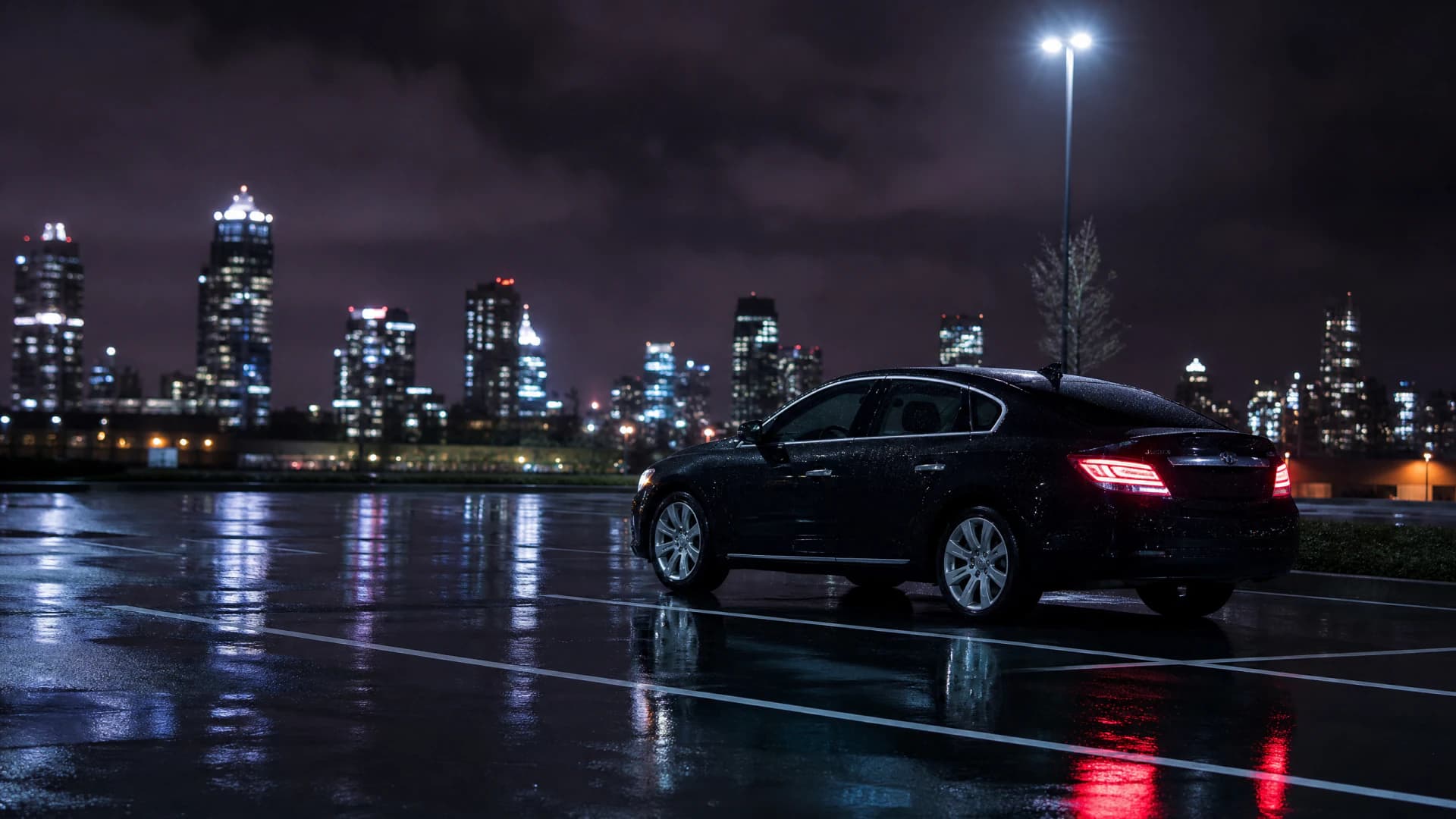
One FR-44 filing on a multi-car policy doubles the liability premium for every vehicle, not just the one the convicted driver operates.





How Adding a Vehicle Re-Rates the Entire Policy
Carriers do not calculate multi-car premiums by adding a flat per-vehicle amount to your existing bill. They re-rate the entire policy when you add a vehicle. The new vehicle's attributes — year, make, model, garaging ZIP code, primary driver's age and record — feed into the underwriting model alongside every vehicle and driver already on the policy. The model recalculates risk for the household as a whole, applies the multi-car discount to the new total, and produces a new premium.
This means adding a third car can raise the premium for the first two. If the third car is a newer model with higher repair costs, or if its primary driver is younger or has points on their record, the household's overall risk profile shifts. The carrier re-prices all three vehicles to reflect that shift. The multi-car discount softens the increase, but it does not eliminate it. A household that paid for two sedans and adds a pickup truck garaged in a higher-theft ZIP code will see the entire policy re-rated, not just an incremental charge for the truck.
Virginia's mandatory uninsured motorist coverage and elevated FR-44 minimums compound this effect. When the re-rating triggers, it applies the state's structural requirements to the new vehicle count. A household adding a third vehicle while one driver holds an FR-44 filing pays the doubled liability minimums across all three cars, plus uninsured motorist coverage at those elevated limits, plus the base premium increase from the added vehicle itself.
12.9%
Virginia Uninsured Motorist Rate
Nearly one in eight Virginia drivers operates without insurance. Carriers price uninsured motorist coverage to reflect claims frequency, and that frequency rises with the uninsured rate. Multi-car policies pay this cost per vehicle.
Insurance Information Institute, 2023

The Carrier Roster and Market Pressure
Virginia's insurance market includes 29 carriers writing auto policies in the state, spanning preferred, standard, and non-standard tiers. Geico, Progressive, State Farm, Allstate, and Nationwide dominate the standard market. Bristol West, Dairyland, Direct Auto, GAINSCO, National General, and The General write non-standard and high-risk policies, including FR-44 filings. Not every carrier writes FR-44 certificates, and the carriers that do charge a premium for the elevated-limit requirement and the three-year filing obligation.
When you shop for multi-car coverage in Virginia, the carrier you choose determines how the state's structural requirements hit your premium. A preferred-tier carrier writing standard minimums will quote lower than a non-standard carrier writing FR-44 elevated minimums, but if any driver on your policy needs an FR-44, the preferred carrier may decline to write the policy at all. You're left comparing quotes from the subset of carriers willing to file FR-44 certificates, and that subset prices for higher risk. The market pressure comes from the limited carrier pool, not from lack of competition.
What You Can Do About It
You cannot change Virginia's liability minimums, eliminate the uninsured motorist mandate, or avoid the FR-44 requirement if a household driver has a qualifying conviction. But you can structure your coverage to minimize the cumulative cost. Compare carriers that write multi-car policies in Virginia and quote all your vehicles together. Carriers apply the multi-car discount differently: some discount each vehicle after the first by a flat percentage, others tier the discount by vehicle count, and a few apply the discount to the total policy premium rather than per vehicle. The difference shows up when you're insuring three or more cars.
If one driver on your policy holds an FR-44 filing and the others do not, confirm whether splitting the policies saves money. Some households find that isolating the FR-44 driver on a separate policy with elevated minimums and keeping the other vehicles on a standard-minimum policy produces a lower combined premium than one policy covering everyone at the elevated limits. Not all carriers allow this structure, and it eliminates the multi-car discount, but the savings from avoiding doubled liability limits on multiple vehicles can outweigh the discount loss. Run both scenarios with carriers that write FR-44 certificates and compare the totals. See which carriers write FR-44 filings in Virginia and compare multi-car structures.
Uninsured Motorist Coverage Adds a Mandatory Layer
Uninsured motorist bodily injury coverage protects you when another driver causes an accident and carries no insurance. Virginia law requires carriers to offer it at limits equal to your liability limits, and you must actively reject it in writing to drop below those limits. Most households accept the matched limits because rejecting them in writing is a procedural step many skip. When you insure three vehicles, you're paying for uninsured motorist coverage three times over, at limits that match your liability tier.
The 12.9% uninsured motorist rate in Virginia is higher than the national average. Carriers price uninsured motorist coverage to reflect claims frequency in the state, and that frequency is driven by the uninsured rate. A multi-car policy in a state with a lower uninsured rate would pay less for the same coverage. In Virginia, the mandatory uninsured motorist layer is a structural cost you cannot avoid, and it scales with every vehicle you add.
Get Your Free Quote
Get My Virginia Car Insurance QuoteFrequently Asked Questions
Does Virginia require uninsured motorist coverage on every vehicle?
Yes. Virginia mandates uninsured motorist bodily injury coverage on every auto policy. Carriers must offer it at limits equal to your liability limits, and you can only reject it in writing. Most multi-car households accept the matched limits, which means you pay for uninsured motorist coverage on every vehicle you insure.
Can I insure one car at standard minimums and another at FR-44 elevated minimums on the same policy?
No. Carriers write one liability limit per policy, not per vehicle. If any driver on your multi-car policy holds an FR-44 filing, every vehicle on that policy must meet the $100,000/$200,000/$50,000 elevated minimums for the full three-year filing period. You cannot split limits within a single policy.
Will adding a third car to my Virginia policy raise the premium for the first two?
Yes. Carriers re-rate the entire policy when you add a vehicle, not just charge a flat amount for the new car. The new vehicle's attributes and driver feed into the underwriting model alongside the existing vehicles, and the carrier recalculates risk for the household as a whole. If the third car or its driver increases the household's risk profile, the premium for all three vehicles rises.
Does splitting an FR-44 driver onto a separate policy save money for a multi-car household?
Sometimes. Isolating the FR-44 driver on a separate policy with elevated minimums and keeping other vehicles on a standard-minimum policy can produce a lower combined premium than one policy covering everyone at doubled limits. You lose the multi-car discount, but the savings from avoiding elevated liability costs on multiple vehicles may outweigh it. Compare both structures with carriers that write FR-44 certificates.
Why is uninsured motorist coverage more expensive in Virginia than in other states?
Virginia's uninsured motorist rate is 12.9%, higher than the national average. Carriers price uninsured motorist coverage to reflect claims frequency, and that frequency rises with the uninsured rate. A multi-car policy in Virginia pays more for mandatory uninsured motorist coverage than the same policy would in a state with fewer uninsured drivers.
How long does the FR-44 elevated-limit requirement last in Virginia?
Three years from the date of conviction, not the filing date. Virginia Code §18.2-266 and related statutes require drivers convicted of DUI or driving while suspended for a DUI-related offense to maintain FR-44 filing and doubled liability minimums for the full three-year period. If the filing lapses, the clock resets.