
Car Insurance Cost — Virginia
Free to compare
What You Pay to Insure Multiple Cars in Virginia
You own two cars, maybe three, and you're trying to figure out what it actually costs to keep them all legally insured in Virginia. You know the state requires liability coverage, but you're not sure how adding a second or third vehicle changes the total premium, whether the multi-car discount offsets the added cost, or how Virginia's specific coverage mandates affect what you pay compared to a household with one car.
Virginia requires every vehicle to carry $50,000 per person and $100,000 per accident in bodily injury liability, plus $25,000 in property damage liability. The state also mandates uninsured motorist coverage at the same limits, which means every car on your policy carries both liability and UM protection. That dual mandate creates a higher baseline than states that treat UM as optional, and it compounds when you add vehicles because each car needs both coverages.
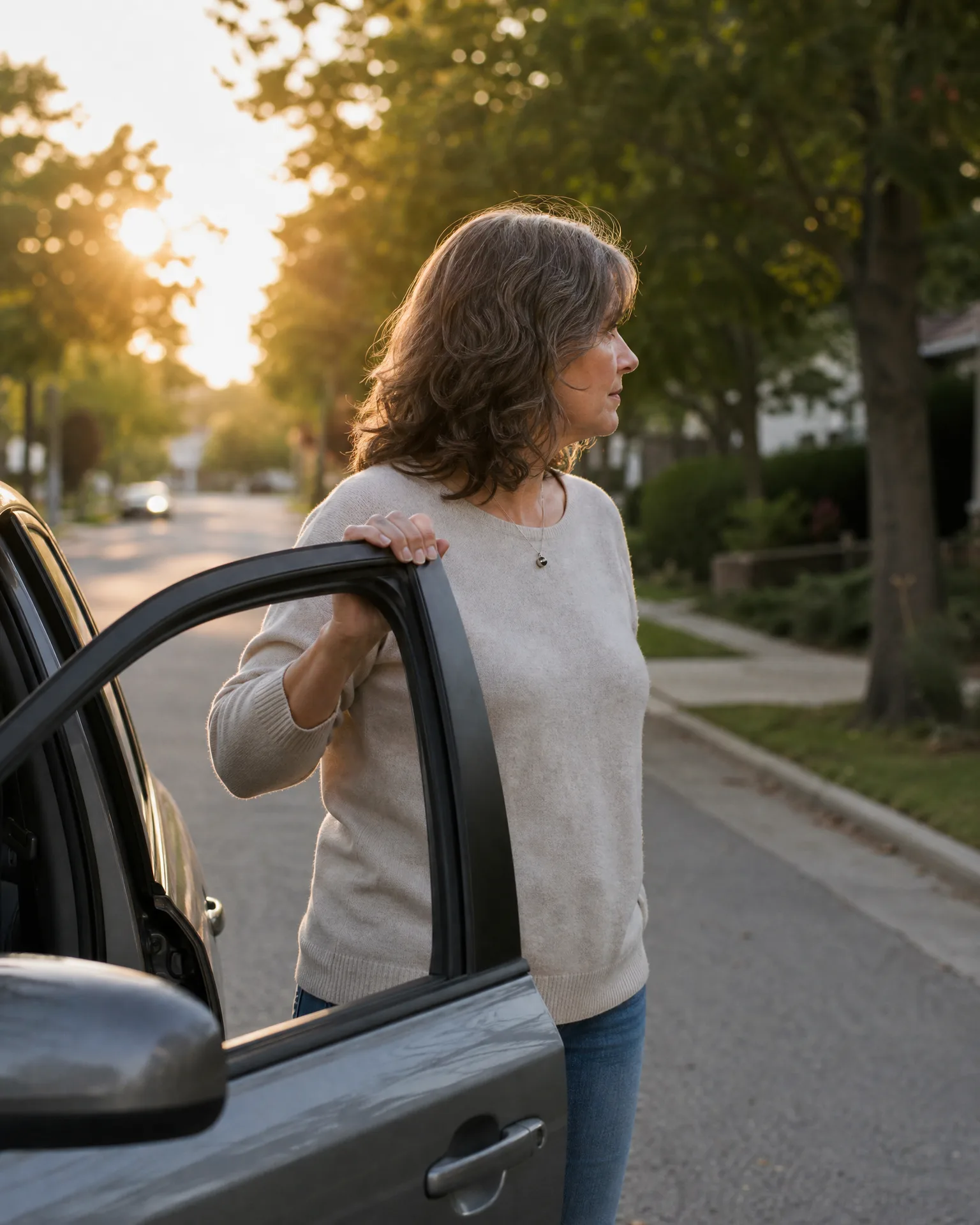
“The multi-car discount lowers per-vehicle cost, but each car still carries its own liability and UM requirement, so total household premium rises with every added vehicle.”
Find Coverage That Keeps You Legal in Virginia
Get My Virginia Car Insurance Quote$893.16
Virginia Annual Auto Expenditure Per Vehicle
Virginia drivers paid an average of $893.16 per insured vehicle annually in 2023, according to NAIC data. Multi-vehicle households pay less per car due to the multi-car discount, but total household premium rises with each added vehicle because each carries its own base rate, coverage requirements, and risk profile.
NAIC Auto Insurance Database Report 2023
How Virginia's Liability and UM Mandates Shape Multi-Car Premiums
Virginia's $50,000/$100,000/$25,000 liability minimums sit in the middle range nationally, but the mandatory uninsured motorist coverage at matching limits adds a layer most states don't require. When you insure one car, you pay for liability and UM once. When you add a second car, you pay for liability and UM again on that vehicle, and a third car means a third set of both coverages. The multi-car discount reduces the combined total, but it doesn't eliminate the per-vehicle cost of meeting both mandates.
The discount typically ranges from a modest percentage off the total policy premium when all vehicles sit on the same policy and share a garaging address. Carriers apply the discount to the combined premium after calculating each vehicle's individual rate, so a household with three cars pays less per car than three separate single-car policies would cost, but the total household premium is still higher than insuring two cars, which is higher than insuring one. The savings come from administrative efficiency and the assumption that multiple cars in one household don't all drive simultaneously, reducing aggregate risk.
Virginia's 12.9% uninsured motorist rate makes the UM mandate more than a regulatory formality. One in eight drivers on Virginia roads carries no insurance, which means your UM coverage is the fallback when an uninsured driver hits your car. That risk doesn't decrease when you add a second or third vehicle to your household; if anything, more cars mean more exposure to that uninsured population, which is why carriers price UM coverage per vehicle rather than per policy.
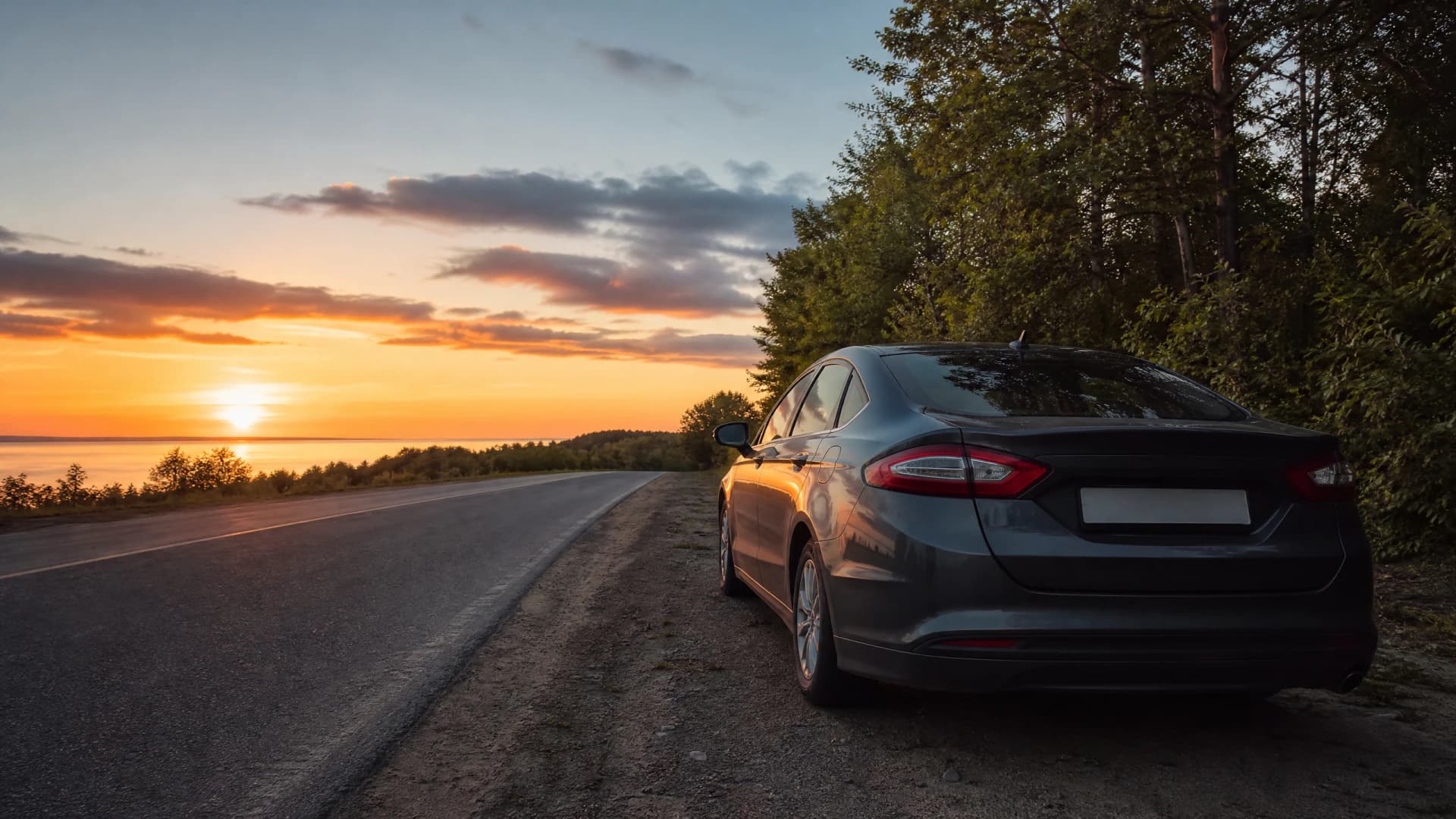
The multi-car discount lowers your per-vehicle rate, but each added car still carries its own liability and UM requirement, so your total household premium rises with every vehicle you add to the policy.






How Adding a Vehicle Changes Your Total Premium
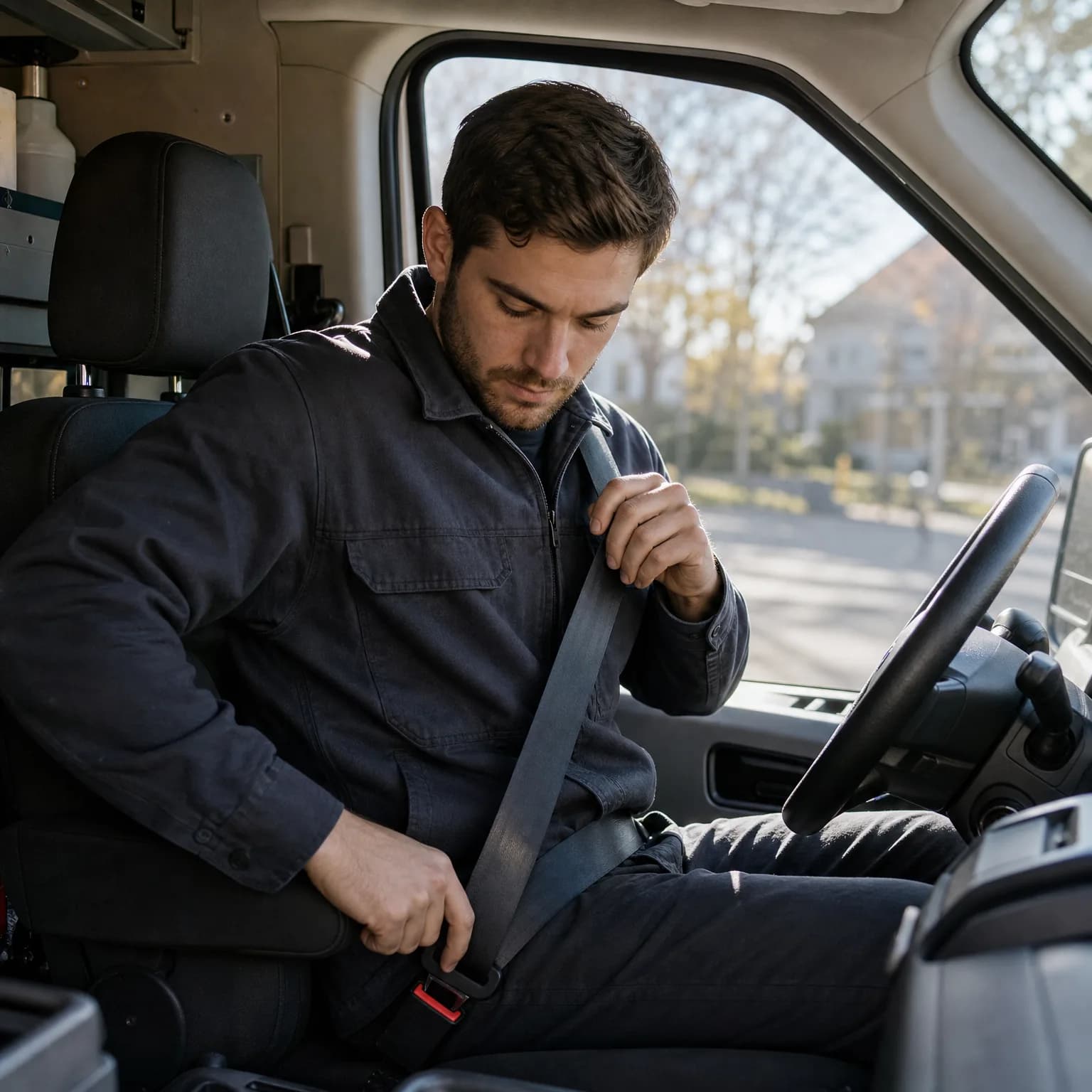
When you add a second car to an existing single-car policy, your total premium doesn't simply double. The multi-car discount kicks in, reducing the combined cost, but the second vehicle still adds its own liability, UM, and any optional coverage you select. If your first car costs a certain amount annually and you add a second car with similar characteristics, the total household premium will be less than twice the original amount, but it will be substantially more than the original single-car premium.
Adding a third car follows the same pattern: the discount applies to all three vehicles, but the third car brings its own base rate and coverage requirements. The per-vehicle savings from the discount grow slightly as you add more cars, but the total household premium continues to rise because each vehicle is an additional insured asset with its own risk profile. A household insuring four cars pays less per car than a household insuring one, but the four-car household's total annual premium is significantly higher than the one-car household's.
The re-rating that happens when you add a vehicle can also shift premiums across the existing cars if driver assignments change. If you add a third car and assign your teenage driver to it, moving them off the newer sedan they were previously assigned to, the sedan's rate drops and the third car's rate reflects the teen driver's higher risk. The multi-car discount then applies to the new total, which may result in a smaller increase than you expected, or a larger one if the new vehicle is expensive to insure or assigned to a high-risk driver.
29 carriers
Virginia Auto Insurance Carrier Roster
Twenty-nine carriers write auto insurance in Virginia, spanning preferred, standard, and non-standard tiers. Multi-car households benefit from comparing carriers across tiers because base rates and discount structures vary widely, and a carrier with a strong multi-car discount on a higher base rate may cost more than a carrier with a smaller discount on a lower base.
Virginia State Corporation Commission Bureau of Insurance

Comparing Carriers for Multi-Vehicle Households
Not every carrier prices multi-car policies the same way. Some apply a larger discount but start with higher base rates; others offer a smaller discount on lower base rates. A household with three cars might pay less with a carrier that has modest per-vehicle rates and a smaller discount than with a carrier that advertises a larger discount but prices each vehicle higher before applying it. The only way to know which structure works better for your household is to compare quotes with your actual vehicles, drivers, and garaging address entered.
Virginia's carrier roster includes preferred-tier carriers like USAA, Erie, and Auto-Owners, standard-tier carriers like Geico, State Farm, and Progressive, and non-standard carriers like Bristol West, Dairyland, and The General. Preferred-tier carriers typically offer the lowest rates to households with clean driving records and good credit, but they may not write policies for households with recent violations or non-standard driver profiles. Standard-tier carriers write a broader range of households, and non-standard carriers specialize in higher-risk drivers or households that preferred and standard carriers decline. Multi-car households with mixed driver profiles sometimes find better rates in the standard tier because the discount offsets the slightly higher base rate.
Compare Carriers Writing Your Household's Vehicles
You now understand how Virginia's liability and UM mandates, per-vehicle rating, and multi-car discount mechanics shape what you pay to insure two or more cars. The next step is to get quotes from carriers writing multi-vehicle policies in Virginia, entering each car's make, model, year, and primary driver so the quote reflects your actual household structure. Carriers price multi-car policies differently, and the only way to find the lowest total premium for your household is to compare them with your real vehicles and drivers in the system.
What Drives the Per-Vehicle Rate on a Multi-Car Policy
Carriers calculate a separate premium for each vehicle based on its theft risk, repair cost, safety rating, and typical claim frequency for that make and model. A 2018 sedan and a 2022 SUV on the same policy will have different base rates even if the same driver uses both, because the SUV costs more to repair and may have a higher theft rate. The garaging address matters too: a car parked in Virginia Beach faces different theft and weather risk than one garaged in rural Shenandoah County, and carriers adjust the rate accordingly.
Driver assignment is the other major variable. If you have three cars and three household drivers, the carrier assigns each driver to a primary vehicle and rates that vehicle based on the driver's age, driving record, and annual mileage. A car primarily driven by a 17-year-old will carry a much higher rate than the same car assigned to a 45-year-old with a clean record. When you add a vehicle, the carrier re-rates the entire policy, recalculating driver assignments and applying the multi-car discount to the new total. That re-rating can shift costs across vehicles depending on who drives what.
Get Your Free Quote
Get My Virginia Car Insurance QuoteFrequently Asked Questions
Does Virginia require uninsured motorist coverage on every car?
Yes. Virginia mandates uninsured motorist coverage at the same limits as your liability coverage: $50,000 per person, $100,000 per accident, and $25,000 property damage. Every vehicle on your policy must carry UM coverage, which adds to the per-vehicle cost when you insure multiple cars.
How much does the multi-car discount save on a Virginia policy?
The discount varies by carrier and is applied to the total policy premium after each vehicle's base rate is calculated. It reduces the combined cost compared to insuring each car on a separate policy, but it doesn't eliminate the per-vehicle cost of meeting Virginia's liability and UM mandates. Compare carriers to see which discount structure works best for your household.
Can I insure three cars on one policy in Virginia?
Yes. Virginia carriers write multi-car policies covering two, three, four, or more vehicles as long as all cars are garaged at the same address and the drivers are household members. The multi-car discount applies to all vehicles on the policy, reducing the per-vehicle rate.
What happens to my premium when I add a second car mid-term?
The carrier re-rates your entire policy when you add a vehicle, recalculating each car's base rate, reassigning drivers if needed, and applying the multi-car discount to the new total. You'll pay the prorated difference for the remainder of the term, and your renewal premium will reflect the full cost of insuring both cars.
Do all Virginia carriers offer the same multi-car discount?
No. Discount structures and base rates vary widely across carriers. A carrier with a larger discount on higher base rates may cost more than a carrier with a smaller discount on lower base rates. The only way to know which carrier offers the lowest total premium for your household is to compare quotes with your actual vehicles and drivers.
Does Virginia require the same coverage on every car on a multi-car policy?
Virginia requires every vehicle to carry at least $50,000/$100,000/$25,000 liability and matching uninsured motorist coverage. You can add optional coverages like collision or comprehensive to individual vehicles based on their value and your budget, but every car must meet the state's minimum liability and UM requirements.