
Cheapest Car Insurance in Virginia
Free to compare
The Multi-Vehicle Rate Trap
You added a second car to your Virginia policy and the premium jumped more than you expected. The carrier that gave you the best rate on your first vehicle now charges a combined amount higher than what friends with different insurers pay for two cars. You're comparing quotes and discovering that the advertised low rate applies only to the first vehicle — the second and third cars price differently, and the multi-car discount structure varies dramatically by carrier.
Virginia law requires every vehicle carry at minimum $50,000 per person and $100,000 per accident in bodily injury liability, $25,000 in property damage liability, and uninsured motorist coverage at the same limits. Meeting that floor across multiple vehicles means comparing not just the base rate but how each carrier prices additional vehicles and structures the multi-car discount. The carrier with the lowest single-car rate often loses when you add a second or third vehicle, because the discount applies differently or the base rate for subsequent cars climbs faster.
“The carrier with the lowest single-car rate often loses when you add a second or third vehicle, because the discount applies differently.”

Find Coverage That Keeps You Legal in Virginia
Get My Virginia Car Insurance Quote$50,000/$100,000/$25,000
Virginia Minimum Liability
Every vehicle on your policy must carry at least $50,000 per person, $100,000 per accident in bodily injury liability, and $25,000 in property damage. Uninsured motorist coverage is mandatory at the same bodily injury limits.
Virginia DMV
How Multi-Car Pricing Actually Works
The multi-car discount is not a flat percentage applied to your total premium. Most carriers rate each vehicle individually, then apply a discount to the second and subsequent vehicles. The size of that discount, and whether it applies to liability only or to comprehensive and collision as well, varies by carrier. A carrier offering a 20 percent discount on a high base rate for the second car can charge more than a carrier offering 10 percent off a lower base rate.
Virginia carriers use different rating structures for multi-vehicle policies. Some apply the discount only to liability coverage. Others extend it to physical damage coverages. A few carriers rate the household as a unit and discount the entire policy rather than discounting per vehicle. You cannot determine which carrier is cheapest for your household by comparing single-car quotes — you need quotes that include every vehicle you intend to insure on the same policy.
The garaging address matters. Most carriers require every vehicle on a multi-car policy to be garaged at the same address. If one household member keeps a car at a different location — a college student's apartment, a second home, a work parking lot — that vehicle may not qualify for the same-policy discount, or the carrier may require it on a separate policy entirely. Verify garaging rules before assuming every household vehicle belongs on one policy.
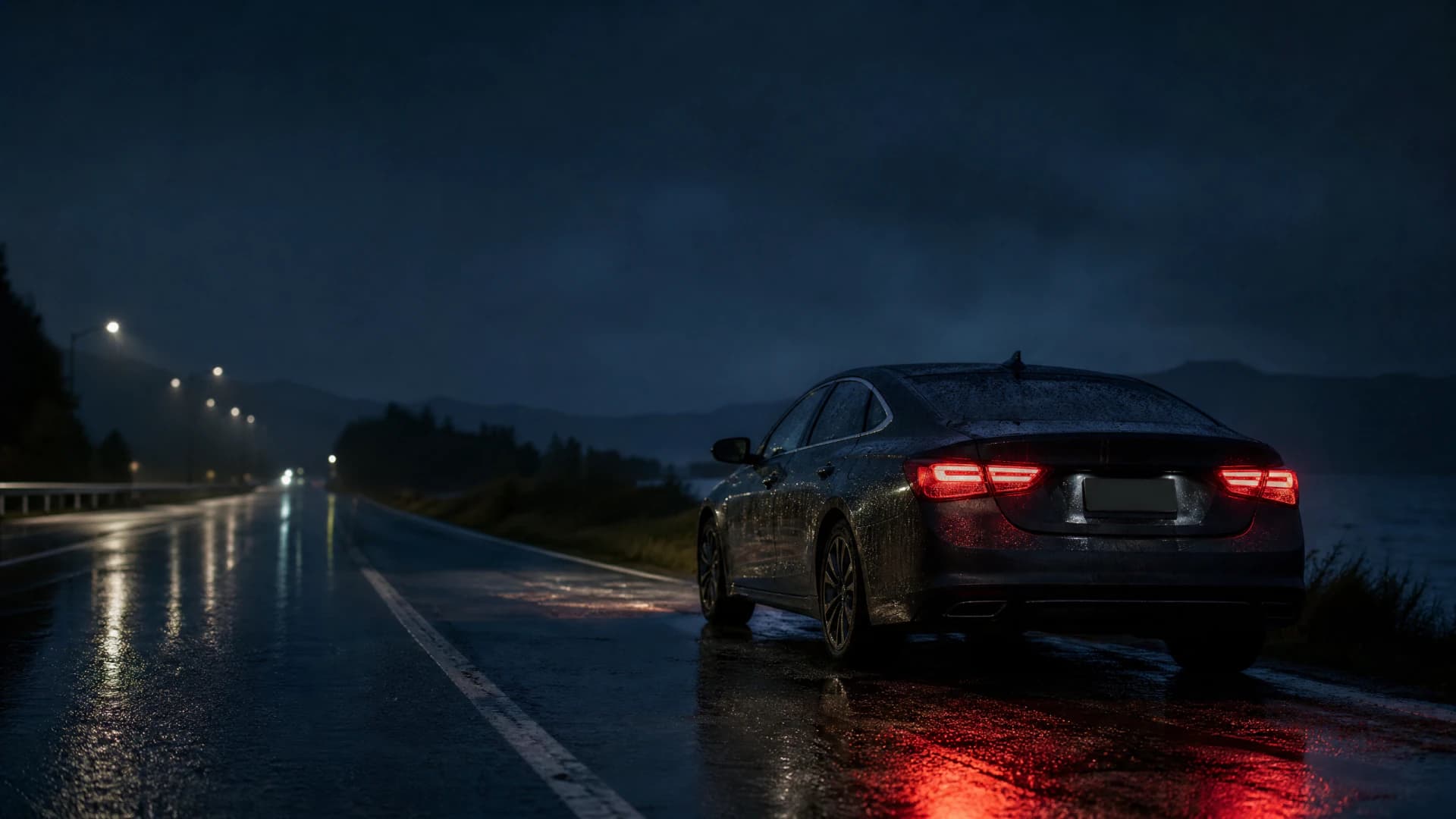
The carrier with the lowest advertised rate for one car often charges more for two or three vehicles than a competitor with a higher starting rate but a steeper multi-car discount.





When Combining Policies Costs More
Combining two existing policies into one multi-vehicle policy does not always lower the combined premium. If one driver on the combined policy has a recent violation — a DUI, at-fault accident, or speeding ticket — that driver's surcharge applies to the entire policy, raising the rate for every vehicle. A household where one spouse has a clean record and the other has a DUI may pay less keeping the vehicles on separate policies, with the high-risk driver on a non-standard carrier and the clean driver on a preferred carrier.
Virginia allows named-driver exclusions. If a household member with a poor driving record will not drive certain vehicles, you can exclude that driver from coverage on those vehicles, lowering the premium. The excluded driver has no coverage if they drive that vehicle — if they cause an accident while driving an excluded vehicle, the policy will not pay the claim. Use exclusions only when you are certain the excluded driver will never operate the excluded vehicle.
Married couples moving from separate policies to one combined policy should compare the combined premium against keeping two policies. If both spouses have clean records and similar vehicles, combining usually lowers the total cost. If one spouse has a violation or drives a high-risk vehicle, keeping separate policies may cost less. Request quotes both ways before canceling either policy.
12.9%
Virginia Uninsured Motorist Rate
Uninsured motorist coverage is mandatory in Virginia and protects you when an at-fault driver has no policy. The high uninsured rate makes this coverage critical for multi-vehicle households.
Insurance Information Institute, 2023

Coverage Decisions That Lower Multi-Vehicle Premiums
Raising deductibles on comprehensive and collision coverage lowers the premium for every vehicle carrying those coverages. A $500 deductible costs more than a $1,000 deductible; the difference multiplies across two or three vehicles. If your household can cover a $1,000 out-of-pocket expense per vehicle in the event of a claim, raising deductibles to $1,000 on every car lowers the combined premium without reducing liability or uninsured motorist protection.
Dropping collision and comprehensive coverage on older vehicles eliminates physical damage premium for those cars. If a vehicle is worth less than ten times the annual cost of comprehensive and collision coverage, many households choose to drop those coverages and carry only the state-required liability and uninsured motorist. The savings from dropping physical damage coverage on one or two older vehicles can offset the cost of higher limits on the newer cars in the household.
Compare Carriers That Write Your Household
Request quotes from at least three carriers that write multi-vehicle policies in Virginia. Provide the same vehicle information, driver information, coverage selections, and garaging address to every carrier so the quotes reflect identical coverage. Compare the total combined premium, not the per-vehicle breakdown — carriers structure multi-car discounts differently, and the per-vehicle rate is less important than the total you pay for all vehicles on one policy.
Use the comparison tool on this site to identify carriers licensed to write in Virginia and request quotes directly from each. Verify that every vehicle you intend to insure is included in the quote and that the garaging address matches where each vehicle is actually kept overnight. Confirm the quote includes Virginia's mandatory uninsured motorist coverage at the same limits as your bodily injury liability. The lowest combined premium for your household comes from comparing real quotes, not from assuming the carrier with the lowest advertised rate will stay cheapest when you add a second or third vehicle.
Which Virginia Carriers Write Multi-Vehicle Policies
Geico, Progressive, State Farm, Allstate, Nationwide, and USAA write multi-vehicle policies in Virginia. Geico and Progressive offer online quoting tools that let you add multiple vehicles and compare the combined premium in one session. State Farm and Allstate require agent contact for multi-vehicle quotes. USAA restricts eligibility to military members, veterans, and their families but often writes competitive multi-car rates for that audience. Travelers, Liberty Mutual, Farmers, and The Hartford also write multi-vehicle policies in Virginia; quote availability and discount structure vary by carrier.
Non-standard carriers including Bristol West, Dairyland, Direct Auto, and The General write multi-vehicle policies for drivers with violations or lapses. These carriers typically charge higher base rates but may offer multi-car discounts that make insuring two or three vehicles on one policy cheaper than splitting them across separate policies. If your household includes a driver with a DUI, suspended license, or recent lapse, compare non-standard carriers that write multi-vehicle policies rather than assuming a standard-market carrier will accept all drivers on one policy.
Get Your Free Quote
Get My Virginia Car Insurance QuoteFrequently Asked Questions
Does Virginia require the same insurance on every vehicle?
Virginia requires every vehicle carry at minimum $50,000/$100,000/$25,000 liability and uninsured motorist coverage at the same bodily injury limits. You can choose different deductibles or add comprehensive and collision to some vehicles but not others. The state-required minimums apply to every car on your policy.
Can I insure two cars with different carriers in Virginia?
Yes. Virginia does not require household vehicles to be on the same policy. You can insure one car with one carrier and a second car with a different carrier. Most households pay less combining vehicles on one policy due to the multi-car discount, but splitting policies may cost less if one driver has a recent violation.
Do all Virginia carriers offer a multi-car discount?
Most carriers writing in Virginia offer a multi-car discount, but the size and structure vary. Some apply the discount only to liability coverage; others extend it to comprehensive and collision. The discount typically ranges from 10 to 25 percent per additional vehicle, but the base rate matters more than the discount percentage.
What happens if I add a third car mid-term in Virginia?
Adding a vehicle mid-term re-rates your entire policy, not just the new car. The carrier recalculates the premium for all vehicles based on the new household risk profile. You pay the prorated difference for the remainder of the term. Most carriers give you a grace period to report the new vehicle, typically 14 to 30 days.
Can I exclude a driver from my multi-car policy in Virginia?
Yes. Virginia allows named-driver exclusions. If a household member with a poor driving record will not drive certain vehicles, you can exclude that driver from coverage on those vehicles, lowering the premium. The excluded driver has no coverage if they drive an excluded vehicle, and the policy will not pay a claim if they cause an accident.
Does garaging address affect multi-car rates in Virginia?
Yes. Most carriers require every vehicle on a multi-car policy to be garaged at the same address. If one vehicle is kept at a different location, it may not qualify for the same-policy discount. Urban garaging addresses typically cost more than rural addresses due to higher theft and accident rates.