
Gap Insurance Requirements — Virginia
Free to compare
Does Virginia Require Gap Insurance
Virginia does not require gap insurance. No state in the U.S. mandates gap coverage as part of minimum auto insurance requirements. Virginia's mandatory coverage is liability only: $50,000 bodily injury per person, $100,000 per accident, and $25,000 property damage, plus uninsured motorist coverage. Gap insurance is an optional product that covers the difference between what you owe on a financed vehicle and what the vehicle is worth if it's totaled.
The confusion arises because lenders and lessors frequently require gap insurance as a condition of financing. That requirement appears in your loan or lease contract, not in Virginia law. When you finance a vehicle, the lender holds a security interest in the car until the loan is paid off. If the car is totaled and the insurance payout falls short of the loan balance, the lender wants assurance you'll cover the gap. Many lenders mandate gap coverage in the financing agreement to protect their collateral.
“Virginia does not require gap insurance by law, but your lender can require it as a condition of your loan or lease contract.”

Find Coverage That Keeps You Legal in Virginia
Get My Virginia Car Insurance Quote$50,000 / $100,000 / $25,000
Virginia Minimum Liability Limits
Virginia requires bodily injury coverage of $50,000 per person and $100,000 per accident, plus $25,000 property damage. These minimums do not include gap insurance, which is never part of state-mandated coverage.
Virginia DMV
When Gap Insurance Is Required by Contract
Your lender or lessor can require gap insurance as a term of your financing agreement. Most auto lenders include a gap insurance clause in the contract for new vehicles and for used vehicles with high loan-to-value ratios. The contract specifies that you must carry gap coverage for the duration of the loan or lease, or until the loan balance drops below the vehicle's actual cash value.
If your contract requires gap coverage and you fail to maintain it, the lender can force-place gap insurance and add the premium to your loan balance. Force-placed coverage is typically more expensive than gap insurance you purchase yourself through your carrier or the dealership. The lender notifies you of the lapse and gives you a window to reinstate coverage before force-placing it, but that window is often short—10 to 30 days.
Not every lender requires gap insurance. Credit unions and some banks waive the requirement if you make a large down payment or if the vehicle's depreciation curve is shallow. Read your financing agreement carefully before you drive off the lot. The gap insurance clause appears in the insurance requirements section, usually near the collision and comprehensive mandates.
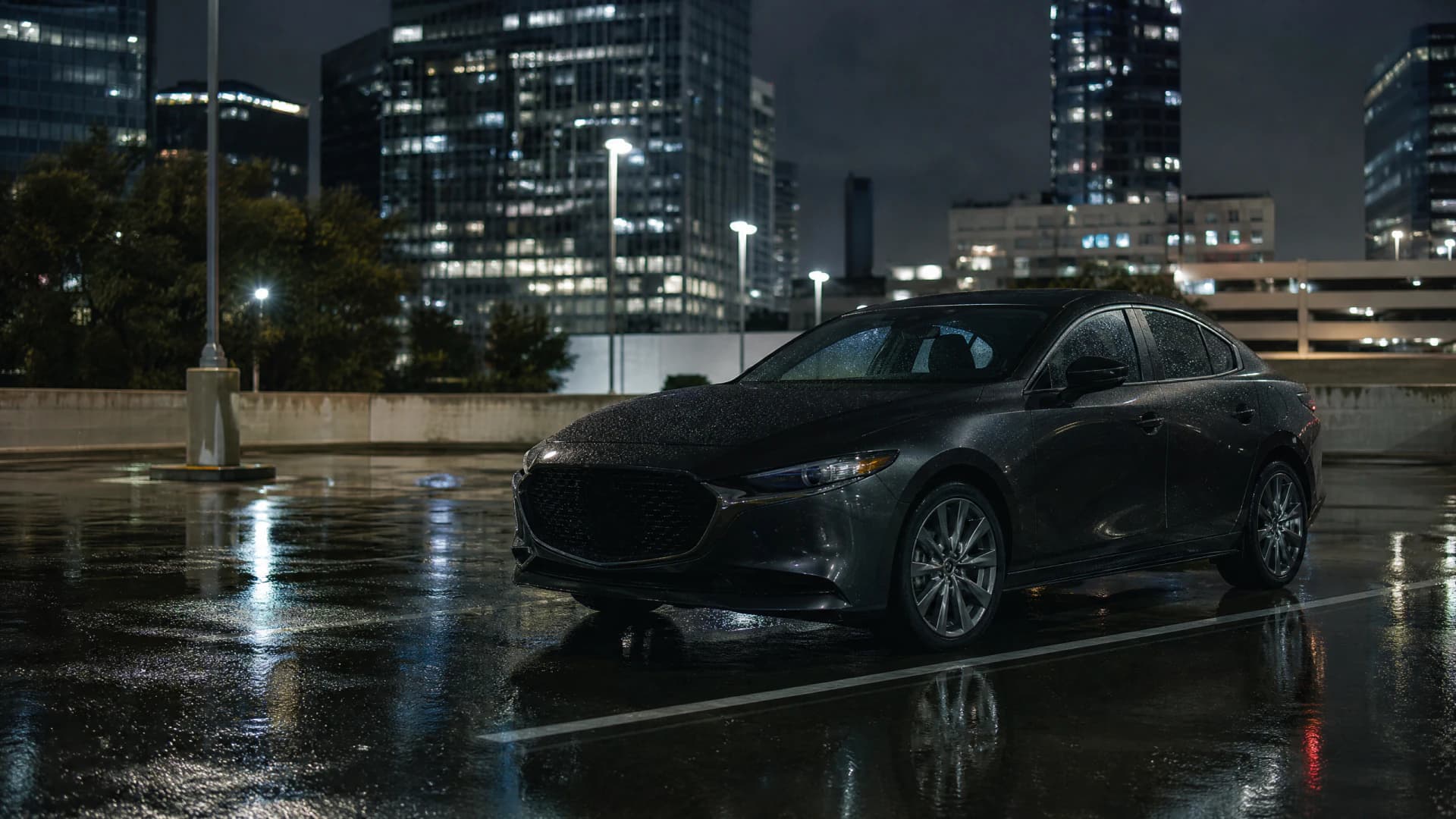
If your loan contract requires gap insurance and you drop it, the lender can force-place coverage at a higher cost and bill you for it.
Related Articles







When You Do Not Need Gap Insurance
You do not need gap insurance if you own your vehicle outright or if your loan balance is lower than the vehicle's actual cash value. Gap coverage only matters when you owe more than the car is worth. If you made a down payment of 20 percent or more, or if the vehicle has depreciated slowly, you may never be upside down on the loan.
Gap insurance also becomes unnecessary once your loan balance drops below the vehicle's value. Most vehicles reach that crossover point within two to three years, depending on the make, model, and how much you drive. Once you cross that threshold, you can drop gap coverage without violating your lender's requirements, assuming the contract allows it after a certain loan-to-value ratio is met.
Leased vehicles are a different case. Lessors almost always require gap insurance because lease terms are structured around residual value assumptions. If the vehicle is totaled and its actual cash value falls short of the residual value plus remaining payments, the gap can be substantial. Most lease agreements include gap coverage in the lease payment, so you do not purchase it separately.
12.9%
Virginia Uninsured Motorist Rate
If an uninsured driver totals your financed vehicle, your uninsured motorist property damage coverage pays the actual cash value, and gap insurance covers the loan balance difference.
Insurance Information Institute, 2023

Where to Buy Gap Insurance in Virginia
Most carriers writing auto insurance in Virginia offer gap insurance as an optional endorsement. Geico, Progressive, State Farm, Nationwide, and Allstate all sell gap coverage that attaches to your collision and comprehensive policy.
Dealership gap insurance is sold at the point of sale and rolled into your financing. The coverage is active immediately, which is useful if you drive the car off the lot the same day, but the markup is steep and the terms are often less favorable than carrier-sold gap policies. Dealership gap products may cap the payout at 25 percent of the vehicle's value, while carrier endorsements typically cover the full gap with no cap.
Compare Carriers That Offer Gap Coverage
If your lender requires gap insurance or if you're financing a vehicle with a small down payment, compare gap endorsements from carriers writing in Virginia before you accept the dealership's offer. Geico, Progressive, State Farm, Nationwide, Allstate, Travelers, and Farmers all write gap coverage in Virginia. Request quotes that include collision, comprehensive, and gap insurance as a package so you can see the total annual cost.
Not every carrier offers gap insurance. USAA, Erie, and some regional carriers do not sell gap endorsements, so if your current carrier does not offer it, you'll need to purchase standalone gap coverage from the dealership or a third-party provider. Standalone gap policies are more expensive and harder to coordinate with your auto insurer at claim time, but they fulfill the lender's contractual requirement.
How Gap Insurance Works With Your Auto Policy
Your collision or comprehensive coverage pays the actual cash value of the totaled vehicle to the lienholder first.
Gap coverage is sold by your auto insurer as an endorsement, by the dealership as a standalone product at the time of purchase, or by third-party gap insurance providers. Carrier-sold gap insurance is typically the least expensive option and integrates directly with your auto policy. Dealership gap products are often marked up significantly and may include coverage caps or exclusions that carrier endorsements do not.
Get Your Free Quote
Get My Virginia Car Insurance QuoteFrequently Asked Questions
Is gap insurance required in Virginia?
No. Virginia does not require gap insurance. State law mandates only liability coverage of $50,000/$100,000/$25,000 and uninsured motorist coverage. Gap insurance is optional unless your lender or lessor requires it in your financing contract.
Can my lender require gap insurance in Virginia?
Yes. Lenders and lessors can require gap insurance as a condition of your loan or lease agreement. The requirement appears in your financing contract, not in Virginia law. If you drop gap coverage when the contract requires it, the lender can force-place coverage and bill you.
How much does gap insurance cost in Virginia?
Carrier endorsements are almost always less expensive and offer better terms.
When can I drop gap insurance in Virginia?
You can drop gap insurance once your loan balance falls below your vehicle's actual cash value, assuming your financing contract allows it. Most vehicles reach that point within two to three years. Check your contract for any loan-to-value threshold that permits dropping gap coverage.
Do I need gap insurance if I lease a car in Virginia?
Most lease agreements include gap coverage in the lease payment, so you do not purchase it separately. Lessors almost always require gap insurance because lease terms are structured around residual value assumptions, and the gap can be substantial if the vehicle is totaled.
Which carriers sell gap insurance in Virginia?
Geico, Progressive, State Farm, Nationwide, Allstate, Travelers, and Farmers all offer gap insurance endorsements in Virginia. Not every carrier writes gap coverage—USAA and Erie do not offer it, so you would need to purchase standalone gap insurance from a dealership or third-party provider.