
Virginia Car Insurance Requirements — What Coverage Satisfies the Law
Free to compare
The Coverage Virginia Law Actually Requires
You're registering a car in Virginia and the carrier quote shows six different coverage types. Some are required by state law. Others protect your vehicle but aren't legally mandatory. The state requires bodily injury liability of $50,000 per person and $100,000 per accident, property damage liability of $25,000, and uninsured motorist coverage at the same limits. Those four components satisfy Virginia's financial responsibility law. Everything else on the quote is optional.
Collision coverage, comprehensive coverage, and personal injury protection do not appear in Virginia Code as mandatory coverages. Carriers offer them, lenders often require them when you finance a vehicle, and they serve real purposes, but the state does not mandate them to register or legally drive. If you own your vehicle outright and choose minimum coverage, you satisfy Virginia law with liability and uninsured motorist alone.
“Virginia requires liability and uninsured motorist coverage. Collision and comprehensive protect your vehicle but are not legally mandatory.”

Find Coverage That Keeps You Legal in Virginia
Get My Virginia Car Insurance Quote$50,000 / $100,000 / $25,000
Virginia Liability Minimums
Bodily injury liability of $50,000 per person and $100,000 per accident, plus property damage liability of $25,000. These limits apply to damage you cause to others, not to your own vehicle or injuries.
Virginia Department of Motor Vehicles
Uninsured Motorist Coverage Is Mandatory in Virginia
Virginia is one of the states that requires uninsured motorist coverage, not just liability. Uninsured motorist bodily injury coverage must match your liability limits unless you reject it in writing. The requirement exists because 12.9% of Virginia drivers carry no insurance, and if one of them hits you, your own uninsured motorist coverage pays for your injuries up to the policy limit.
Carriers must offer uninsured motorist coverage at the same limits as your liability coverage. You can reject it or choose lower limits by signing a written waiver, but the default is mandatory coverage at matching limits. Most households keep it because the premium difference is small relative to the protection it provides when the at-fault driver has no policy.
Underinsured motorist coverage is a separate product that pays when the at-fault driver carries liability limits lower than your damages. Virginia does not require underinsured motorist coverage, but carriers must offer it.
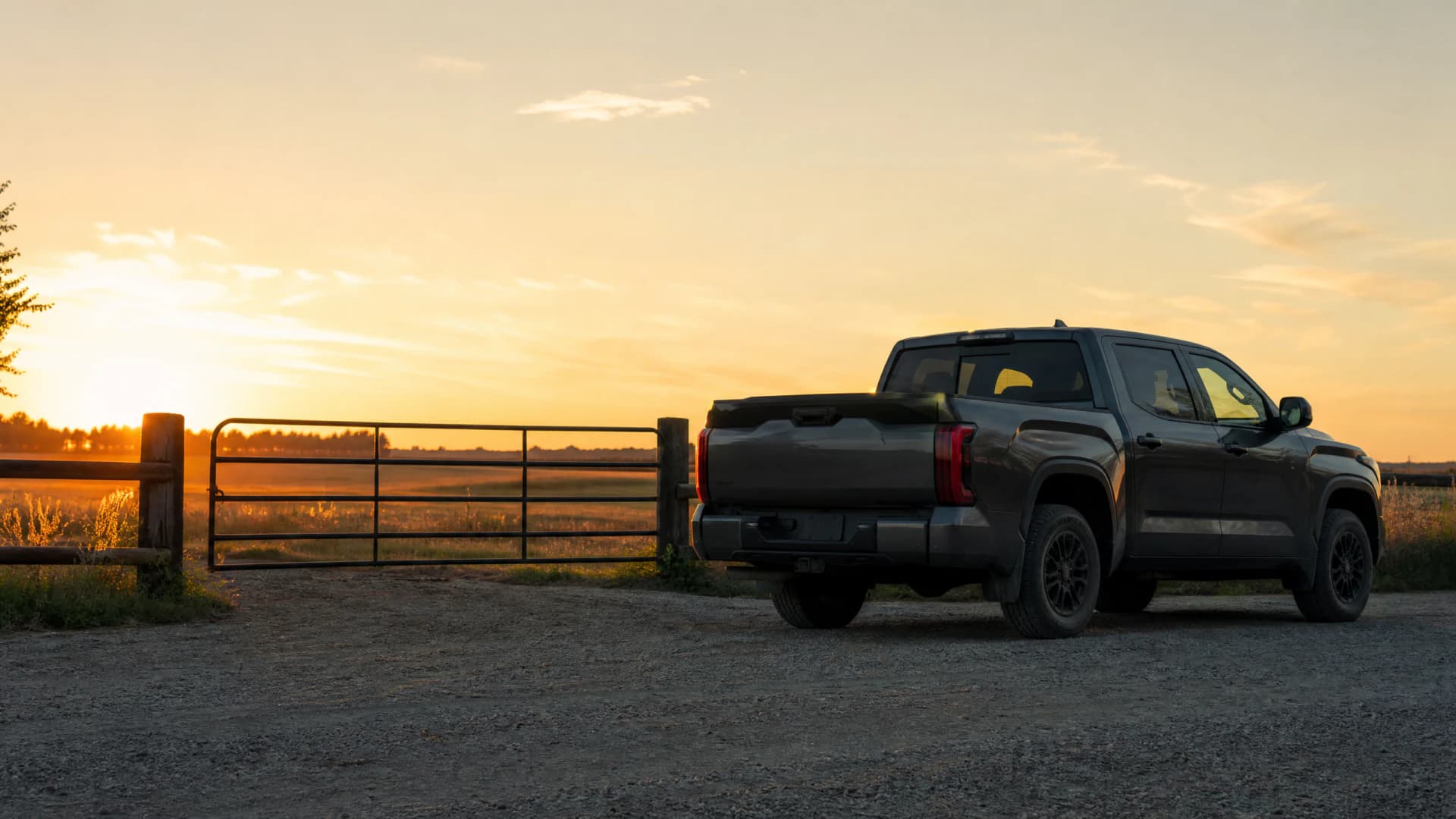
Virginia does not require collision, comprehensive, or personal injury protection. Those coverages protect your own vehicle and medical bills, not the state's financial responsibility requirement.





Personal Injury Protection Is Optional in Virginia
Personal injury protection, called PIP, pays your medical bills and lost wages after a crash regardless of fault. Virginia does not require PIP. Carriers must offer it, and you can reject it in writing, but it is not part of the state's mandatory coverage list. States that require PIP are called no-fault states because your own PIP coverage pays your medical bills before any liability claim is filed. Virginia is an at-fault state, meaning the at-fault driver's liability coverage pays the other party's medical bills.
If you carry health insurance with low deductibles and sick leave through your employer, PIP may be redundant. If you have high-deductible health insurance or no health coverage, PIP provides first-dollar medical payment after a crash without waiting for the other driver's liability carrier to accept fault.
12.9%
Uninsured Drivers in Virginia
Uninsured motorist coverage protects you when one of them causes a crash, because their liability coverage does not exist.
Insurance Information Institute, 2023

How Lenders Change the Coverage Requirement
A lienholder can require collision and comprehensive coverage as a condition of the loan or lease, even though Virginia law does not. The lender's interest is listed on your title, and the loan agreement gives them the right to require full coverage until the loan is paid off. If you drop collision or comprehensive while a lien is active, the lender will force-place coverage at a much higher premium and add it to your loan balance.
Once you pay off the vehicle, the lender releases the lien and you can drop collision and comprehensive without violating the loan terms. At that point the only coverage Virginia requires is liability and uninsured motorist. Whether you keep collision and comprehensive depends on the vehicle's value and your ability to replace it out of pocket if it's totaled.
Compare Carriers That Write Virginia Policies
Seventeen carriers write auto insurance in Virginia with online quote tools, and another seven require a broker. Liability and uninsured motorist premiums vary widely across carriers even when the coverage limits are identical, because each carrier uses a different rating model. One carrier may rate your zip code as low-risk while another rates the same address as moderate-risk. Your driving record, vehicle, and credit score where lawful all factor into the rate, and no single carrier is cheapest for every household.
Request quotes from at least three carriers. Enter the same coverage limits for each quote so you're comparing equivalent policies. The state-required minimum is $50,000/$100,000/$25,000 liability plus matching uninsured motorist limits, but many households carry higher liability limits because the minimum may not cover a serious multi-vehicle crash. If you're comparing full coverage quotes, make sure collision and comprehensive deductibles match across carriers. A $500 deductible quote from one carrier and a $1,000 deductible quote from another are not comparable even if the premium looks similar.
What Collision and Comprehensive Actually Cover
Collision coverage pays to repair or replace your vehicle after a crash with another car or object, regardless of who was at fault. If you hit a guardrail, rear-end another driver, or get sideswiped in a parking lot, collision coverage pays your repair bill minus your deductible. The other driver's liability coverage does not pay for your vehicle unless they were at fault and you file a claim against their policy. Collision coverage means you don't wait for fault determination or the other driver's carrier to process your claim.
Comprehensive coverage pays for damage that isn't a collision: theft, vandalism, hail, flood, fire, hitting a deer, or a tree falling on your parked car. Comprehensive and collision together make up what carriers call full coverage, but that term has no legal definition in Virginia. Full coverage means you carry both optional coverages plus the state-required liability and uninsured motorist. Minimum coverage means you carry only the state-required liability and uninsured motorist, with no coverage for damage to your own vehicle.
Get Your Free Quote
Get My Virginia Car Insurance QuoteFrequently Asked Questions
What is the minimum car insurance required in Virginia?
Virginia requires bodily injury liability of $50,000 per person and $100,000 per accident, property damage liability of $25,000, and uninsured motorist coverage at matching limits. Collision, comprehensive, and personal injury protection are optional unless your lender requires them.
Does Virginia require uninsured motorist coverage?
Yes. Virginia requires uninsured motorist bodily injury coverage at the same limits as your liability coverage unless you reject it in writing. The requirement exists because 12.9% of Virginia drivers carry no insurance.
Is full coverage required in Virginia?
No. Full coverage means liability, uninsured motorist, collision, and comprehensive together. Virginia law requires only liability and uninsured motorist. Collision and comprehensive are optional unless you finance or lease your vehicle and the lender requires them.
Does Virginia require personal injury protection?
No. Virginia does not require PIP. Carriers must offer it and you can reject it in writing, but it is not part of the state's mandatory coverage list. Virginia is an at-fault state, not a no-fault state.
Can I drop collision and comprehensive after I pay off my car?
Yes. Once the lien is released, you can drop collision and comprehensive and still meet Virginia's legal requirement with liability and uninsured motorist coverage alone. Whether you keep them depends on your vehicle's value and your ability to replace it out of pocket.
What happens if I drive in Virginia without insurance?
You must also file proof of insurance with the DMV for three years.