
Virginia Car Insurance Requirements — State Minimums
Free to compare
What Virginia Law Requires You to Carry
Virginia law requires every registered vehicle to carry liability insurance with minimum limits of $50,000 bodily injury per person, $100,000 bodily injury per accident, and $25,000 property damage per accident. The state also mandates uninsured motorist coverage at the same limits unless you reject it in writing. These are not optional — you cannot register a vehicle or renew registration without proof that a policy meeting these minimums is in force.
The uninsured motorist requirement catches many drivers off guard. Twelve states require it, but Virginia is one of the few that sets the mandate at the same level as liability minimums rather than offering a lower-cost alternative. If you are comparing quotes and see two different premium figures for "minimum coverage," the difference is often whether the quote includes UM or assumes you will reject it.
“Virginia DMV receives real-time lapse notifications from insurers — a gap of even one day between policies can trigger a suspension.”
Find Coverage That Keeps You Legal in Virginia
Get My Virginia Car Insurance Quote$50,000 / $100,000 / $25,000
Virginia Liability Minimums
Virginia Code §46.2-472 sets these as the floor for bodily injury and property damage liability. Every policy must meet or exceed these limits to satisfy registration requirements.
Virginia Code §46.2-472
How Virginia Defines Proof of Insurance
Virginia accepts electronic proof of insurance. You can show a digital insurance card on your phone during a traffic stop or at DMV. The card must display your policy number, coverage effective dates, the vehicle identification number, and the name of the insurer. Paper cards work identically — the format does not matter as long as the required fields are present.
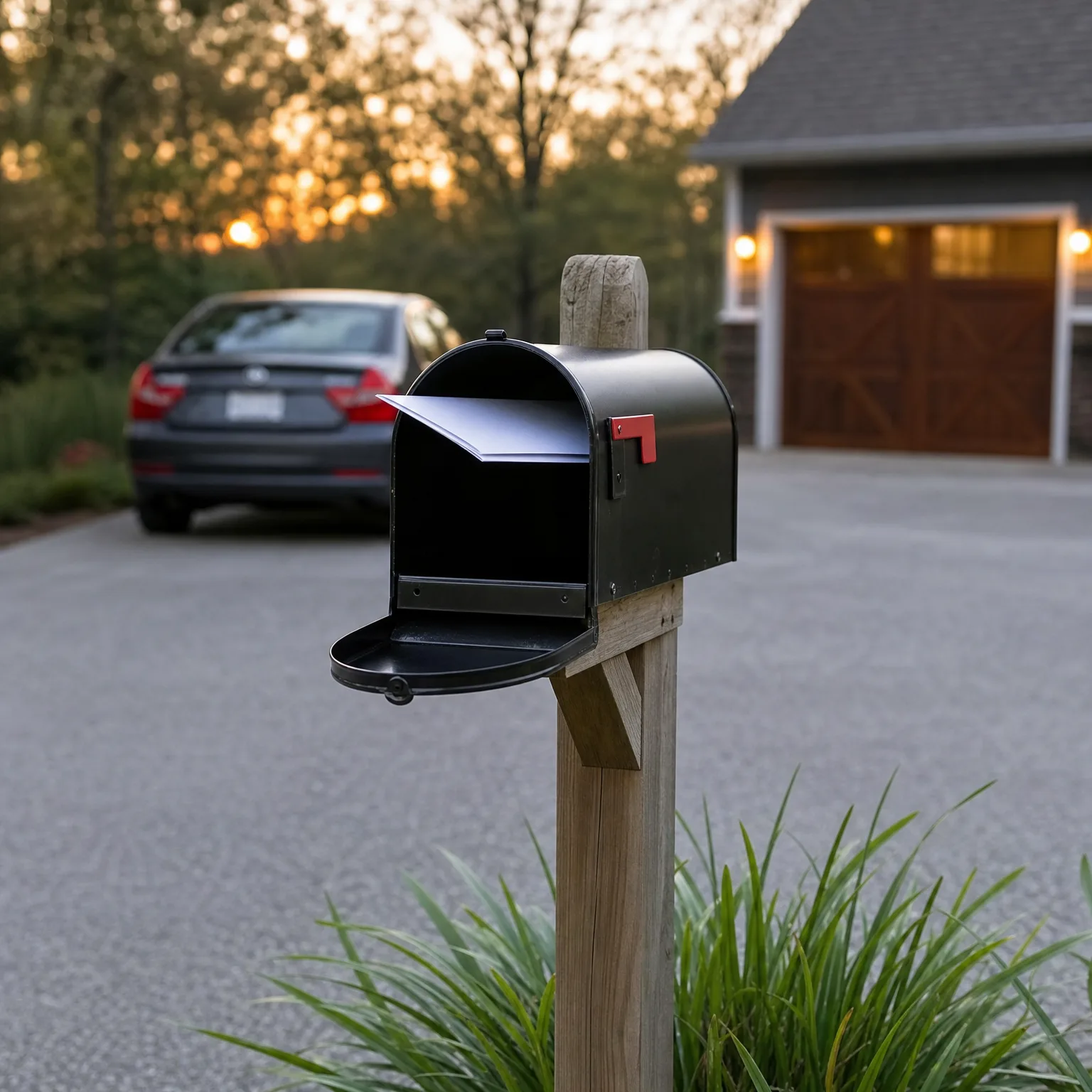
The DMV receives electronic notification when a policy lapses or cancels. If your insurer reports a lapse, DMV mails a notice demanding proof of continuous coverage or surrender of your license plates. Ignoring that notice triggers a suspension.
Virginia does allow an uninsured motor vehicle fee as an alternative to insurance, but only for vehicles you own and do not drive. You pay $500 annually to DMV, and the vehicle remains registered but cannot legally be driven on public roads. This option exists for collectors, project cars, and vehicles in long-term storage — not for cars you use.

Virginia DMV receives real-time lapse notifications from insurers.



How Adding Vehicles Changes Your Coverage Requirements
When you add a second or third vehicle to your policy, each vehicle must meet the same liability and uninsured motorist minimums. The multi-car discount most carriers offer applies to the total premium, but it does not reduce the per-vehicle coverage floor. If you own three cars, you need $50,000/$100,000/$25,000 liability on each, plus uninsured motorist coverage on each unless you have rejected UM in writing for the entire policy.
Vehicles titled to different household members can sit on the same policy as long as they share a garaging address. The multi-car discount typically requires every vehicle to appear on one policy. If a household member keeps a separate policy, that vehicle does not count toward your multi-car discount, and their separate policy does not benefit from yours. Combining policies after marriage or when a household member moves in usually lowers the combined premium, but the savings depend on each driver's record and the vehicles involved.
A newly purchased vehicle is covered under your existing policy for a limited grace period — typically 14 to 30 days depending on the carrier — but only if you notify the insurer within that window. If you buy a car and do not report it, the vehicle is not covered after the grace period expires, and a claim on that vehicle will be denied. Adding the vehicle mid-term re-rates the entire policy rather than simply adding a flat amount, so the premium increase reflects the new vehicle's risk profile and the updated household exposure.
12.9%
Virginia Uninsured Motorist Rate
Nearly one in eight Virginia drivers operates without insurance, according to 2023 data. That rate makes uninsured motorist coverage a structural necessity, not an optional add-on.
Insurance Research Council, 2023
What Happens When You Drive Without Coverage
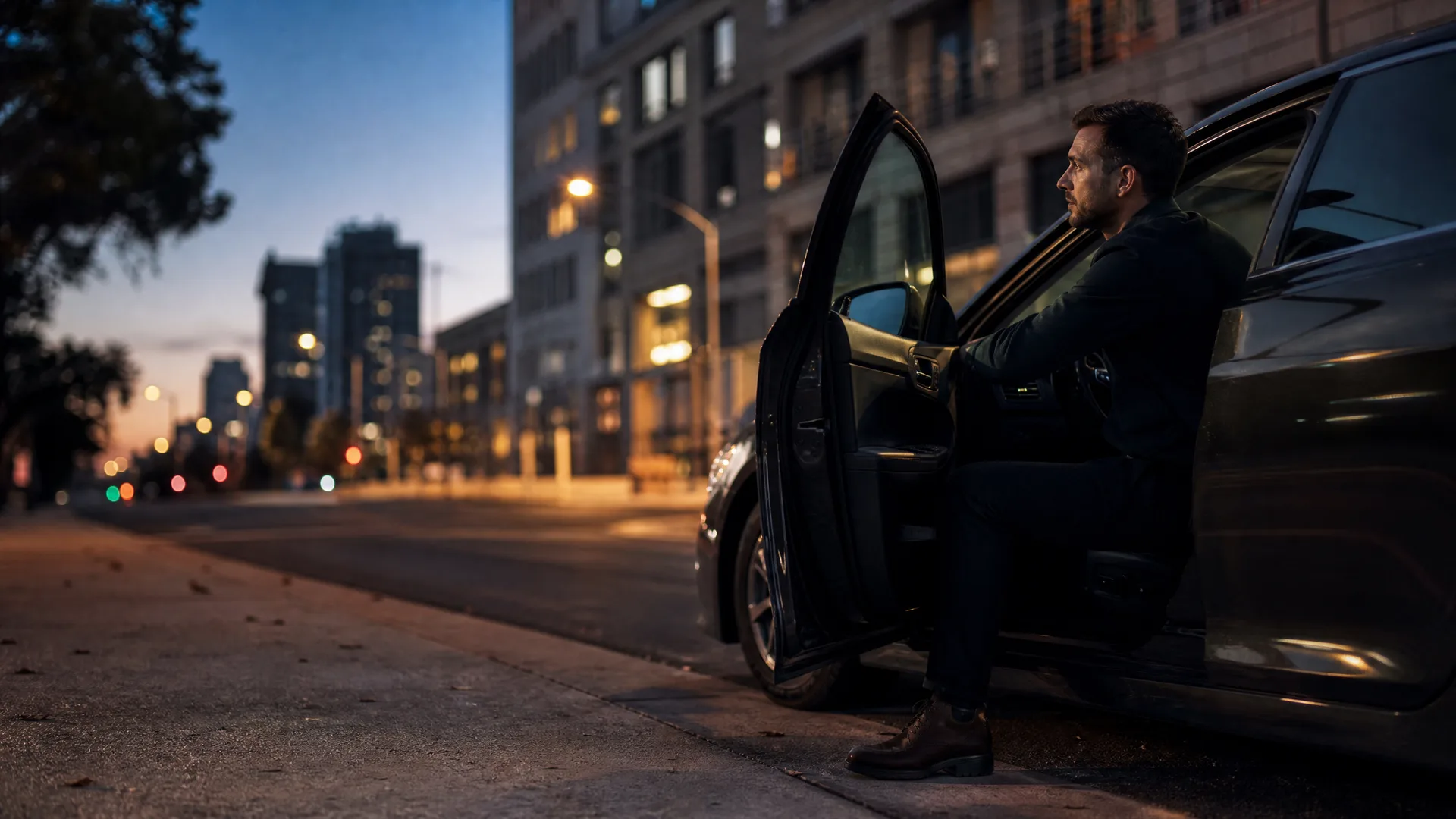
Virginia treats driving without insurance as a Class 3 misdemeanor. The suspension also triggers a three-year SR-22 filing requirement, which means you must carry SR-22 coverage for three years after reinstatement to prove continuous insurance to DMV.
If you are involved in an accident while uninsured, you are personally liable for all damages and injuries you cause. Virginia is an at-fault state, which means the driver who caused the accident pays for the other party's losses. Without insurance, that payment comes directly from your assets. The other driver can sue you, obtain a judgment, and garnish wages or place liens on property. An unsatisfied judgment also suspends your license until the debt is paid in full, and you must file an SR-22 for three years after satisfying the judgment.
Compare Policies That Meet Virginia's Requirements
The state minimums are a floor, not a recommendation. If you cause an accident that injures multiple people or totals an expensive vehicle, $50,000 per person and $25,000 property damage will not cover the full loss. The difference comes out of your pocket.
Start by confirming that any quote you receive includes uninsured motorist coverage at the same limits as liability unless you have explicitly rejected it. Then compare carriers that write policies meeting Virginia's requirements and offer multi-car discounts if you insure more than one vehicle. The site's comparison tool lets you see which carriers write in Virginia and how their policy structures handle multiple vehicles on one policy.
When FR-44 Filing Doubles the Minimums
An FR-44 filing is required for three years after a conviction for DUI under Virginia Code §18.2-266, DUI resulting in maiming under §18.2-51.4, or driving while suspended or revoked for a DUI-related offense under §18.2-272. The filing itself is a form your insurer submits to DMV electronically, but the policy behind it must carry elevated limits: $100,000 bodily injury per person, $200,000 bodily injury per accident, and $50,000 property damage per accident. These are double the standard minimums.
Not every carrier writes FR-44 policies. The injected carrier roster shows that Allstate, Bristol West, Dairyland, Geico, National General, Progressive, and The General all write FR-44 coverage in Virginia. If your current carrier does not write FR-44, you will need to switch. The three-year filing period begins on your conviction date, not the date you obtain the policy, so any delay in securing FR-44 coverage extends the time before your license is reinstated.
Get Your Free Quote
Get My Virginia Car Insurance QuoteFrequently Asked Questions
Does Virginia require uninsured motorist coverage?
Yes. Virginia law mandates uninsured motorist coverage at the same limits as your liability coverage unless you reject it in writing. Most drivers carry it because 12.9% of Virginia motorists drive without insurance.
What is an FR-44 filing in Virginia?
An FR-44 is a certificate your insurer files with Virginia DMV to prove you carry elevated liability limits after certain DUI convictions. The FR-44 requires $100,000/$200,000/$50,000 liability — double the standard minimums — and must remain in force for three years.
Can I show proof of insurance on my phone in Virginia?
Yes. Virginia accepts electronic proof of insurance during traffic stops and at DMV. The digital card must display your policy number, effective dates, VIN, and insurer name.
What happens if my insurance lapses in Virginia?
Virginia DMV receives electronic notification when your policy lapses. DMV mails a notice demanding proof of coverage or plate surrender.
Do all my vehicles need the same coverage in Virginia?
Yes. Every vehicle on your policy must meet Virginia's $50,000/$100,000/$25,000 liability minimums and carry uninsured motorist coverage unless you rejected UM in writing. The multi-car discount does not reduce the per-vehicle coverage floor.
How long is the grace period for adding a new car in Virginia?
Most carriers provide 14 to 30 days of automatic coverage when you buy a new vehicle, but only if you notify the insurer within that window. If you do not report the purchase, the vehicle is not covered after the grace period expires.