
Comparing Car Insurance Quotes — Virginia
Free to compare
Why Multi-Car Households Compare Quotes Differently
You own two cars, maybe three. You're comparing quotes, and every carrier gives you a different total. One quotes each vehicle separately. Another bundles them automatically. A third shows a multi-car discount but only if both vehicles sit on the same policy. You cannot tell which structure actually costs less because the comparison itself changes depending on how the carrier structures the policy.
Virginia households insuring multiple vehicles face a structural comparison problem: the multi-car discount requires every vehicle on one policy, but not every carrier applies the discount the same way. Some discount the base rate before adding vehicles; others discount each vehicle after calculating individual premiums. Comparing quotes means comparing policy structures, not just per-vehicle rates.
“A lower per-vehicle rate on separate policies often costs more than a higher rate with the multi-car discount on one policy.”

Find Coverage That Keeps You Legal in Virginia
Get My Virginia Car Insurance Quote$50,000/$100,000/$25,000
Virginia Minimum Liability
Every vehicle on your policy must carry at least $50,000 bodily injury per person, $100,000 per accident, and $25,000 property damage. The multi-car discount applies after meeting these minimums, not before.
Virginia DMV
The Same-Policy Requirement Changes the Comparison
The multi-car discount is not a line item you add to a quote. It is a policy-structure requirement: every vehicle must sit on the same policy, often garaged at the same address, to qualify. A household with two cars on separate policies pays full rate for both, even if both policies are with the same carrier.
This structure changes how you compare quotes. The per-vehicle rate looks higher on the combined policy, but the total is lower because the discount applies to the policy, not to each car individually.
Virginia does not regulate how carriers calculate the multi-car discount. Some carriers discount the base rate and then add each vehicle at the discounted rate. Others calculate each vehicle's premium individually and then apply a percentage discount to the total. The method changes the final number, which is why comparing quotes means requesting the same policy structure from every carrier.

A lower per-vehicle rate on separate policies often costs more than a higher per-vehicle rate with the multi-car discount applied to one combined policy.






When Adding a Vehicle Mid-Term Re-Rates the Policy
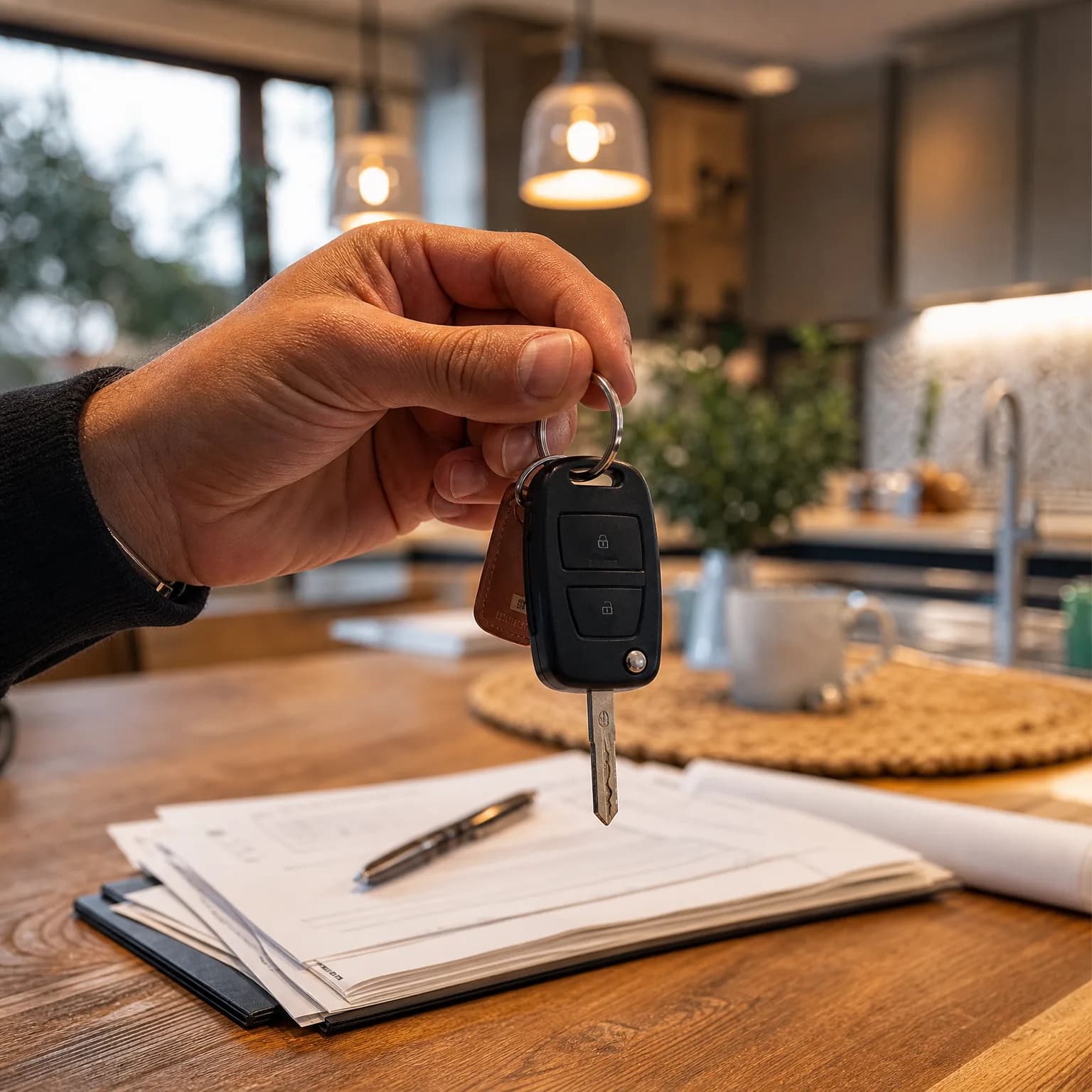
You bought a second car three months into your policy term. You call your carrier to add it. The carrier does not simply add the new vehicle's premium to your existing bill. Adding a vehicle mid-term re-rates the entire policy: the carrier recalculates the premium for every vehicle on the policy, applies the multi-car discount, and prorates the new total for the remaining term.
This re-rating can increase your total premium by more than the cost of the added vehicle alone, or it can lower it if the multi-car discount offsets the second vehicle's cost. You will not know which until the carrier runs the calculation. Request the new total before authorizing the addition, and compare it against quotes from other carriers for a new policy covering both vehicles. Sometimes starting fresh with a different carrier costs less than adding the vehicle to your current policy.
Virginia law requires carriers to provide coverage for a newly acquired vehicle for a limited grace period, typically 14 to 30 days depending on the carrier's policy language. If you do not report the vehicle within that window, the carrier can deny coverage for an accident involving the unreported car. Adding the vehicle triggers the re-rating immediately, so the grace period is not a cost-deferral tool. It is a claims-protection window only.
12.9%
Virginia Uninsured Motorist Rate
Uninsured motorist coverage protects you when an at-fault driver cannot pay. Virginia requires it unless you reject it in writing, and it costs significantly less than collision or comprehensive.
Insurance Information Institute, 2023
Comparing Carriers That Write Multi-Car Policies in Virginia
Not every carrier writes multi-car policies the same way. Some carriers specialize in multi-vehicle households and apply larger discounts. Others write multi-car policies but apply smaller discounts because their base rates are already lower. A smaller discount on a lower base rate can beat a larger discount on a higher base rate, which is why you compare total premiums, not discount percentages.
Virginia's carrier roster includes both standard-tier and preferred-tier carriers. Standard-tier carriers such as Geico, Progressive, and Allstate write multi-car policies for most households. Preferred-tier carriers such as State Farm, USAA, and Erie often require clean driving records and higher credit scores but may offer lower base rates. Non-standard carriers such as Bristol West and Dairyland write multi-car policies for households with violations or lapses, but their base rates are higher and their multi-car discounts smaller.
What to Do Right Now
Request quotes from at least three carriers, specifying identical coverage limits and one combined policy for all vehicles. Confirm that the multi-car discount applies and that every vehicle qualifies under the carrier's same-policy requirement. Compare the total premium, not the per-vehicle rate. If you are adding a vehicle mid-term, request the re-rated total before authorizing the addition and compare it against quotes for a new policy covering both vehicles. The lowest total premium wins, regardless of how the carrier structures the discount.
How to Structure the Quote Request
Start with Virginia's minimum liability limits: $50,000 bodily injury per person, $100,000 per accident, $25,000 property damage. Add uninsured motorist coverage, which Virginia requires unless you reject it in writing. Specify whether you want collision and comprehensive on each vehicle, and choose the same deductible across all quotes. If one carrier quotes a $500 deductible and another quotes $1,000, you cannot compare the premiums directly.
Request every vehicle on one policy. Tell the carrier you want the multi-car discount applied. Confirm that every vehicle is garaged at the same address, because some carriers require it for the discount to apply. If a household member's car is titled separately or garaged elsewhere, ask whether it qualifies for the same-policy discount. Some carriers allow it; others do not. The answer changes the structure of the quote.
Get Your Free Quote
Get My Virginia Car Insurance QuoteFrequently Asked Questions
Does the multi-car discount apply if I insure two vehicles with the same carrier on separate policies?
No. The multi-car discount requires every vehicle on one policy. Two separate policies with the same carrier are rated independently at full price, even if both policies cover vehicles you own.
Can I add my spouse's car to my policy to get the multi-car discount in Virginia?
Yes, if both vehicles are garaged at the same address and both drivers are listed on the policy. Some carriers require married couples to combine policies to qualify for the multi-car discount; others allow separate policies if the vehicles are garaged at different addresses.
What happens to my premium when I add a second car mid-term?
Adding a vehicle mid-term re-rates the entire policy. The carrier recalculates the premium for every vehicle, applies the multi-car discount, and prorates the new total for the remaining term. The increase may be more or less than the added vehicle's standalone cost.
Do I need the same coverage limits on every vehicle to get the multi-car discount?
No. You can carry different coverage levels on each vehicle and still qualify for the multi-car discount, as long as every vehicle meets Virginia's minimum liability requirements and sits on the same policy.
How do I compare multi-car quotes if carriers structure the discount differently?
Request the total premium for all vehicles on one policy from every carrier, using identical coverage limits. Compare the totals, not the per-vehicle rates or discount percentages. The lowest total premium is the best quote, regardless of how the carrier calculates the discount.
Can I insure a vehicle titled to my adult child on my multi-car policy?
It depends on the carrier. Some allow vehicles titled to household members on the same policy if the vehicle is garaged at your address. Others require the titled owner to be a named insured on the policy. Ask the carrier before assuming the vehicle qualifies for your multi-car discount.