
Uninsured Motorist Coverage — Virginia
Free to compare
When the At-Fault Driver Has No Insurance
You're stopped at a red light. The driver behind you doesn't brake. Your vehicle is totaled, you're injured, and the at-fault driver has no insurance. Your collision coverage pays for your car minus the deductible, but who pays your medical bills, lost wages, and the gap between your vehicle's value and what you still owe on the loan? That's where uninsured motorist coverage steps in.
Virginia law requires every auto policy to include uninsured motorist bodily injury coverage at minimum limits of $50,000 per person and $100,000 per accident. You can reject it in writing, but most households with multiple vehicles keep it because 12.9% of Virginia drivers are uninsured. When one of those drivers causes a crash, your UM coverage becomes your primary recovery path.
“Nearly one in eight Virginia drivers has no insurance, making uninsured motorist coverage your primary recovery path when an at-fault driver can't pay.”

Find Coverage That Keeps You Legal in Virginia
Get My Virginia Car Insurance Quote12.9%
Virginia Uninsured Motorist Rate
Nearly one in eight Virginia drivers operates without insurance, meaning your household faces a meaningful probability that an at-fault driver in a crash will have no coverage to pay your claim. Uninsured motorist coverage fills that gap.
Insurance Research Council, 2023
What Uninsured Motorist Bodily Injury Covers
Uninsured motorist bodily injury (UMBI) pays for your medical expenses, lost income, pain and suffering, and other injury-related damages when an at-fault driver has no liability insurance. It covers you, your household members, and passengers in your vehicle at the time of the crash. The coverage applies whether you're driving your own car, riding in someone else's vehicle, or struck as a pedestrian.
Virginia's mandatory minimum is $50,000 per person and $100,000 per accident. If your injuries exceed those limits, you pay the difference out of pocket unless you purchased higher UM limits. A serious injury can generate medical bills, rehabilitation costs, and lost wages that blow past $50,000 quickly.
UMBI does not pay for vehicle damage. That's a separate coverage called uninsured motorist property damage, which Virginia does not require but many carriers offer as an optional add-on.
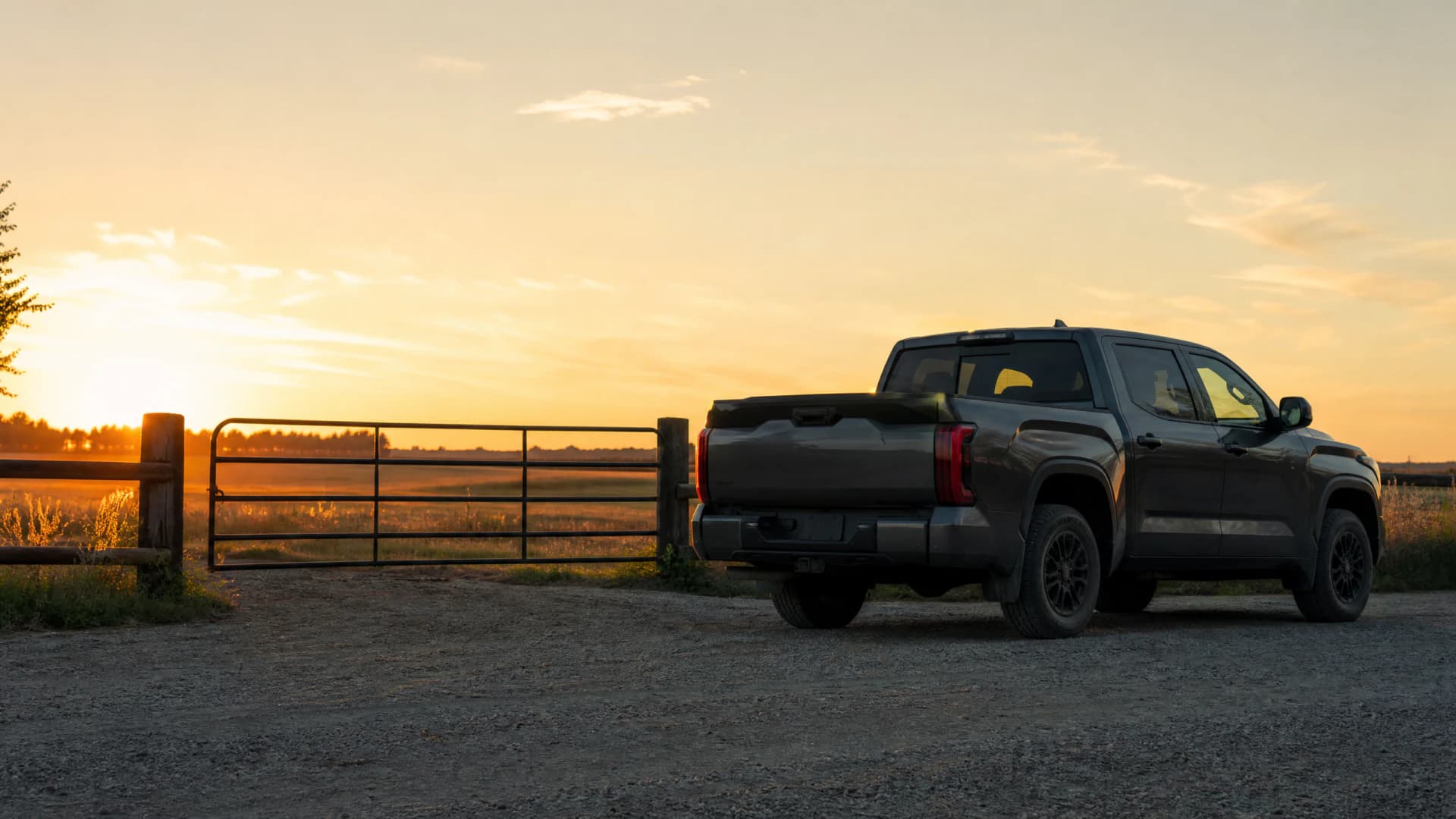
The state minimum UM limit ($50,000 per person) often falls short of actual injury costs in a serious crash, leaving you to cover the gap yourself unless you raised your limits when you bought the policy.
Related Articles




Underinsured Motorist Coverage Fills the Gap
Underinsured motorist (UIM) coverage pays when the at-fault driver has liability insurance but their limits are too low to cover your damages. Virginia does not require UIM, but it's bundled with uninsured motorist coverage on most policies.
UIM is particularly valuable in Virginia because the state minimum liability limit is $50,000 per person. Your UIM coverage closes that gap, up to the limit you purchased.
UIM does not stack with the at-fault driver's liability payment in Virginia. The total recovery is capped at your UIM limit, minus what the other driver's insurer already paid.
$50,000 / $100,000
Virginia Minimum Liability Limits
Virginia requires drivers to carry at least $50,000 bodily injury coverage per person and $100,000 per accident. When an at-fault driver carries only the minimum and causes serious injury, your underinsured motorist coverage pays the difference between their limit and your actual damages.
Virginia DMV

How UM and UIM Claims Work in Practice
You file a UM or UIM claim with your own insurance carrier, not the at-fault driver's insurer. Your carrier investigates the crash, verifies the other driver's insurance status or policy limits, and evaluates your damages. If the at-fault driver is uninsured, you provide a police report and documentation showing they had no coverage. If the driver is underinsured, you provide the other driver's policy declaration page showing their liability limits and proof that their insurer paid the maximum.
Your carrier then pays your claim up to your UM or UIM limit, minus any amount the at-fault driver's insurer already paid. The process can take weeks or months if liability is disputed or if your injuries require ongoing treatment. Virginia law allows your carrier to require arbitration if you and the carrier disagree on the claim value, which adds time but avoids a lawsuit in many cases.
Raising UM and UIM Limits Across Multiple Vehicles
When you raise UM or UIM limits on a multi-vehicle policy, the higher limit applies to every car on the policy. The cost increase is typically modest because UM and UIM premiums are calculated per policy, not per vehicle, and the coverage protects every household member regardless of which car they're driving at the time of the crash.
Households with newer vehicles, drivers who commute in high-traffic areas, or families with teen drivers often raise UM and UIM limits to match their liability coverage. Compare carriers that write multi-vehicle policies in Virginia to see how UM and UIM pricing varies when you raise limits across every car on the policy.
How Uninsured Motorist Property Damage Works
UMPD covers damage to your vehicle caused by an uninsured driver, up to the policy limit. If you already carry collision coverage, UMPD is redundant in most scenarios because collision pays for the same damage.
Households with multiple vehicles often skip UMPD on cars that already carry collision and add it only to older vehicles where collision was dropped but the car still has meaningful value. The coverage does not apply to hit-and-run crashes in Virginia unless you can identify the at-fault driver and prove they were uninsured, which makes it less useful than collision for that scenario.
Get Your Free Quote
Get My Virginia Car Insurance QuoteFrequently Asked Questions
Is uninsured motorist coverage required in Virginia?
Yes. Virginia requires every auto policy to include uninsured motorist bodily injury coverage at minimum limits of $50,000 per person and $100,000 per accident. You can reject it in writing, but most households keep it because 12.9% of Virginia drivers are uninsured.
Does uninsured motorist coverage pay for vehicle damage in Virginia?
No. Uninsured motorist bodily injury (UMBI) covers only injury-related damages. Uninsured motorist property damage (UMPD) is a separate optional coverage that pays for vehicle damage when an at-fault driver has no insurance. Most households with collision coverage skip UMPD because collision already covers the same damage.
What is the difference between uninsured and underinsured motorist coverage?
Uninsured motorist coverage pays when the at-fault driver has no insurance. Underinsured motorist coverage pays when the at-fault driver has liability insurance but their limits are too low to cover your damages. Virginia bundles both on most policies, and raising one limit typically raises the other.
Can I raise UM limits on some vehicles but not others on my policy?
No. UM and UIM limits apply per policy, not per vehicle. When you raise the limit, it applies to every car on the policy and protects every household member regardless of which vehicle they're driving at the time of the crash.
Does UM coverage apply if I'm hit as a pedestrian?
Yes. Uninsured motorist bodily injury coverage protects you whether you're driving your own car, riding in someone else's vehicle, or struck as a pedestrian by an uninsured driver. The coverage follows you, not just the vehicle.
How do I file a UM claim in Virginia?
You file the claim with your own insurance carrier, not the at-fault driver's insurer. Provide a police report, documentation showing the other driver had no insurance or insufficient coverage, and records of your medical expenses and lost income. Your carrier investigates and pays up to your UM or UIM limit.