
Multi-Car Insurance Discounts — Virginia
Free to compare
Why Your Multi-Car Premium Jumped After Adding a Vehicle
You added a second car to your Virginia policy expecting the multi-car discount to lower your combined premium. Instead, the bill went up by more than the cost of insuring just the new vehicle. The discount appeared on the declaration page, but the total premium still climbed. This happens because carriers re-rate your entire policy when you add a vehicle — they recalculate risk across both cars, both drivers, and the household garaging address — and the discount percentage applies to the new higher base premium, not your old rate.
The multi-car discount in Virginia typically requires every vehicle titled to household members to sit on the same policy and share a garaging address. A car titled to a household member but kept on a separate policy does not count toward the discount. A vehicle garaged at a different address — even if you own it — may disqualify the household from the multi-vehicle rate. Carriers treat the discount as a same-policy, same-address product, and adding a vehicle mid-term triggers a full policy re-rate rather than simply tacking on a flat amount.
“A smaller discount on a lower base rate beats a larger discount on a higher base rate when the total premium is lower.”

Find Coverage That Keeps You Legal in Virginia
Get My Virginia Car Insurance Quote$50,000 / $100,000 / $25,000
Virginia Minimum Liability
Virginia requires $50,000 bodily injury per person, $100,000 per accident, and $25,000 property damage. Every vehicle on your policy must carry at least these limits. Adding a second car doubles your household's liability exposure unless you raise limits across both vehicles.
Virginia DMV
How the Multi-Car Discount Actually Works in Virginia
The multi-car discount is a percentage reduction applied to the total premium after the carrier calculates the base rate for every vehicle on the policy. It does not reduce the cost of each car individually. When you add a second vehicle, the carrier re-rates the first car based on the new household risk profile — more vehicles means more exposure, more drivers potentially using each car, and a different claims probability model. The discount percentage then applies to the new combined base premium.
Most Virginia carriers require that every vehicle on the policy be garaged at the same address and titled to members of the same household. A car owned by a roommate, a vehicle titled to an adult child living elsewhere, or a car garaged at a second property typically does not qualify for the same-policy discount. Some carriers allow a vehicle garaged at a different address if the policyholder owns it and uses it regularly, but this is carrier-specific and often requires documentation.
The discount percentage varies by carrier. A smaller discount on a lower base rate can produce a better total premium than a larger discount on a higher base rate. Comparing the final premium across carriers matters more than comparing discount percentages. Carriers writing multi-vehicle policies in Virginia include Geico, State Farm, Progressive, Allstate, Nationwide, and others — each with different base rates and discount structures.
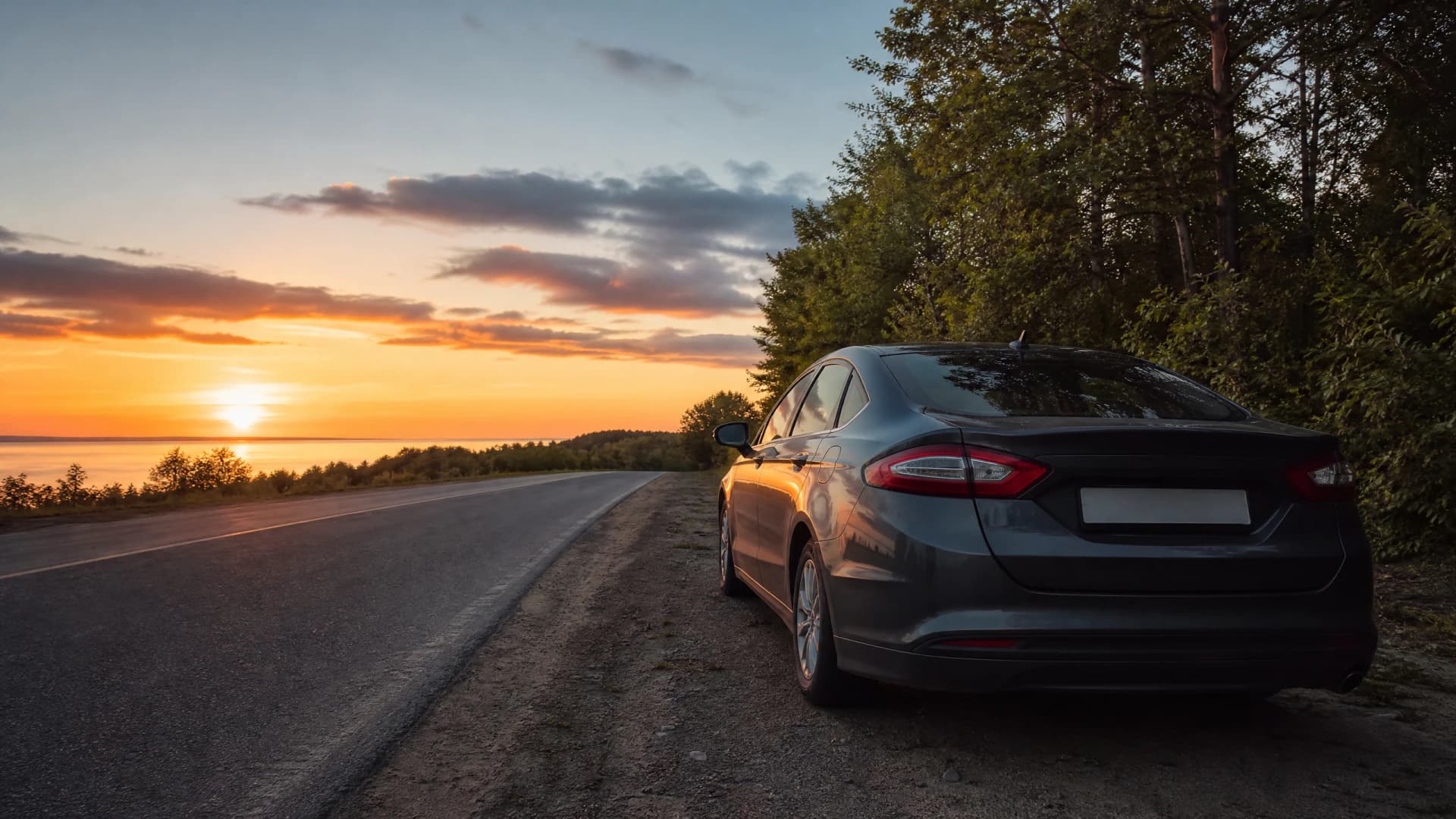
Adding a vehicle mid-term re-rates your entire policy, not just the new car. The multi-car discount applies to the new combined premium, which is often higher than your old rate plus the added vehicle's standalone cost.
Related Articles




When a Household Member's Car Does Not Qualify
A vehicle titled to a household member but insured on a separate policy does not count toward your multi-car discount. This happens when an adult child maintains their own policy, when a spouse keeps a separate policy after marriage, or when a roommate owns a car. The multi-car discount requires every vehicle to sit on the same policy. Two policies covering two cars in the same household do not qualify, even if both policies are with the same carrier.
Combining two policies into one multi-vehicle policy can lower the total premium, but not always. If one driver has a clean record and the other has violations or claims, the combined policy re-rates both vehicles based on the higher-risk driver. The multi-car discount may not offset the increased base premium for the lower-risk driver's vehicle. Comparing the combined premium to the sum of the two separate premiums before switching is the only way to know whether combining saves money.
A vehicle garaged at a different address — a second home, a college campus, or a work location — may disqualify the household from the multi-car discount. Some carriers allow it if the vehicle is titled to the policyholder and used regularly, but others require every vehicle on the policy to be garaged at the primary address. Check the carrier's same-address requirement before adding a vehicle kept elsewhere.
12.9%
Virginia Uninsured Motorist Rate
Virginia requires uninsured motorist coverage on every policy. Adding a second vehicle doubles your household's exposure to uninsured drivers. Raising UM limits across both cars costs less than covering one vehicle at minimum limits and one at higher limits.
Insurance Information Institute, 2023

Comparing Carriers for Multi-Vehicle Policies
Base rates vary more across carriers than discount percentages do. A carrier with a lower base rate and a smaller multi-car discount often produces a lower total premium than a carrier with a higher base rate and a larger discount. The only way to know which carrier offers the best multi-vehicle rate for your household is to compare final premiums, not discount percentages.
Carriers writing multi-vehicle policies in Virginia include Geico, State Farm, Progressive, Allstate, Nationwide, Liberty Mutual, Travelers, Farmers, and others. Each carrier uses a different rating model. One carrier may rate a household with two newer vehicles lower than a household with one new and one older car, while another carrier does the opposite. Driver assignment matters — some carriers rate based on the primary driver of each vehicle, others rate based on all household drivers having access to all vehicles.
Compare Multi-Vehicle Rates Across Virginia Carriers
The multi-car discount applies only after the carrier calculates the base premium for every vehicle on your policy. Comparing carriers means comparing the final premium after the discount, not the discount percentage itself. A lower base rate with a smaller discount beats a higher base rate with a larger discount when the total premium is lower. Use the comparison tool to see which carriers write multi-vehicle policies for your household's vehicles, drivers, and garaging address. Enter both vehicles, assign drivers to each car, and compare the final premiums side by side. The carrier with the lowest total premium after the multi-car discount is applied is the best rate for your household.
What Happens When You Add a Second Vehicle
When you add a second vehicle, the carrier pulls a new set of rating factors: the make, model, and year of the new car; the vehicle identification number and garaging ZIP code; the drivers in the household and their assignment to each vehicle; and the coverage selections for both cars. The carrier then re-rates the first vehicle based on the new household profile. If the second car is newer, more expensive to repair, or assigned to a younger driver, the first car's premium often increases even before the second car's base premium is added.
The multi-car discount then applies to the combined base premium for both vehicles. The discount percentage is fixed by the carrier's filed rate structure, but the base premium it applies to is higher than what you paid for the first car alone. The discount reduces the total, but it rarely offsets the full cost of adding the second vehicle. The final premium depends on the carrier's base rates, the vehicles' risk profiles, and the drivers assigned to each car.
Get Your Free Quote
Get My Virginia Car Insurance QuoteFrequently Asked Questions
Does Virginia require the same insurance on both cars?
Virginia requires every vehicle to carry at least $50,000/$100,000/$25,000 liability and uninsured motorist coverage. You can choose different coverage levels for each car — full coverage on a newer vehicle and liability-only on an older one — but both must meet the state minimums.
Can I add my spouse's car to my policy for the multi-car discount?
Yes, if the car is titled to your spouse and garaged at the same address. Combining two separate policies into one multi-vehicle policy can lower the total premium, but the carrier re-rates both vehicles based on both drivers' records. Compare the combined premium to the sum of the two separate policies before switching.
Does the multi-car discount apply if one car is garaged at a different address?
Most Virginia carriers require every vehicle on the policy to be garaged at the same address. Some allow a vehicle garaged elsewhere if you own it and use it regularly, but this is carrier-specific. Check the carrier's same-address requirement before adding a vehicle kept at a second location.
Why did my premium go up after adding a second car with a multi-car discount?
Adding a vehicle triggers a full policy re-rate. The carrier recalculates the base premium for every vehicle on the policy based on the new household risk profile. The multi-car discount applies to the new combined base premium, which is often higher than your old rate plus the added vehicle's standalone cost.
Can I insure two cars with different carriers and still get a multi-car discount?
No. The multi-car discount requires every vehicle to sit on the same policy with the same carrier. Two separate policies with the same carrier do not qualify. Combining both vehicles onto one policy is the only way to access the multi-car discount.
Do I need full coverage on both cars to get the multi-car discount?
No. The multi-car discount applies to the total premium regardless of coverage selections. You can carry full coverage on one vehicle and liability-only on the other. Both vehicles must meet Virginia's minimum liability and uninsured motorist requirements.