
How to Save Money on Car Insurance — Virginia
Free to compare
Why Your Two-Car Household Pays More Than It Should
You own two cars, both insured, both registered in Virginia. Your premium feels high, but you carry the state's $50,000/$100,000/$25,000 minimum liability limits and nothing extravagant. The problem is not what you carry—it's how you carry it. If each vehicle sits on a separate policy, you are paying full price for both, with no multi-car discount applied to either.
The multi-car discount exists to reward households that insure multiple vehicles with the same carrier on one shared policy. Virginia carriers writing multi-vehicle policies—Geico, Progressive, State Farm, Allstate, and others—apply the discount only when every vehicle in the household shares the same policy number. A second car on a second policy, even with the same carrier, does not qualify. That structural mistake costs Virginia households hundreds of dollars a year.
“A second vehicle on a second policy does not qualify for the multi-car discount, even with the same carrier.”

Find Coverage That Keeps You Legal in Virginia
Get My Virginia Car Insurance Quote$893.16
Virginia Average Annual Auto Expenditure
Virginia drivers paid an average of $893.16 per insured vehicle in 2023, according to NAIC data. Households insuring multiple vehicles on separate policies pay that rate twice, with no discount. Combining them on one policy cuts the total.
NAIC Auto Insurance Database Report 2023
The Multi-Car Discount Requires One Shared Policy
The multi-car discount is not automatic. It applies only when every vehicle you own sits on the same policy, issued by the same carrier, under the same policy number. Two policies with the same carrier do not count. A vehicle titled to a household member on a different policy does not count. The discount rewards consolidation, not brand loyalty.
Virginia carriers structure the discount differently. Some apply a percentage reduction to each vehicle's premium. Others reduce the base rate before calculating coverage costs. The mechanism varies, but the requirement does not: one policy, all vehicles. If you bought your second car and added it to a new policy instead of your existing one, you forfeited the discount on both vehicles.
Combining policies after the fact is possible. Contact your carrier, request a policy consolidation, and ask for the multi-car discount to be applied retroactively to the current term. Not all carriers allow retroactive application, but most will apply it going forward. The savings begin the day the policies merge.
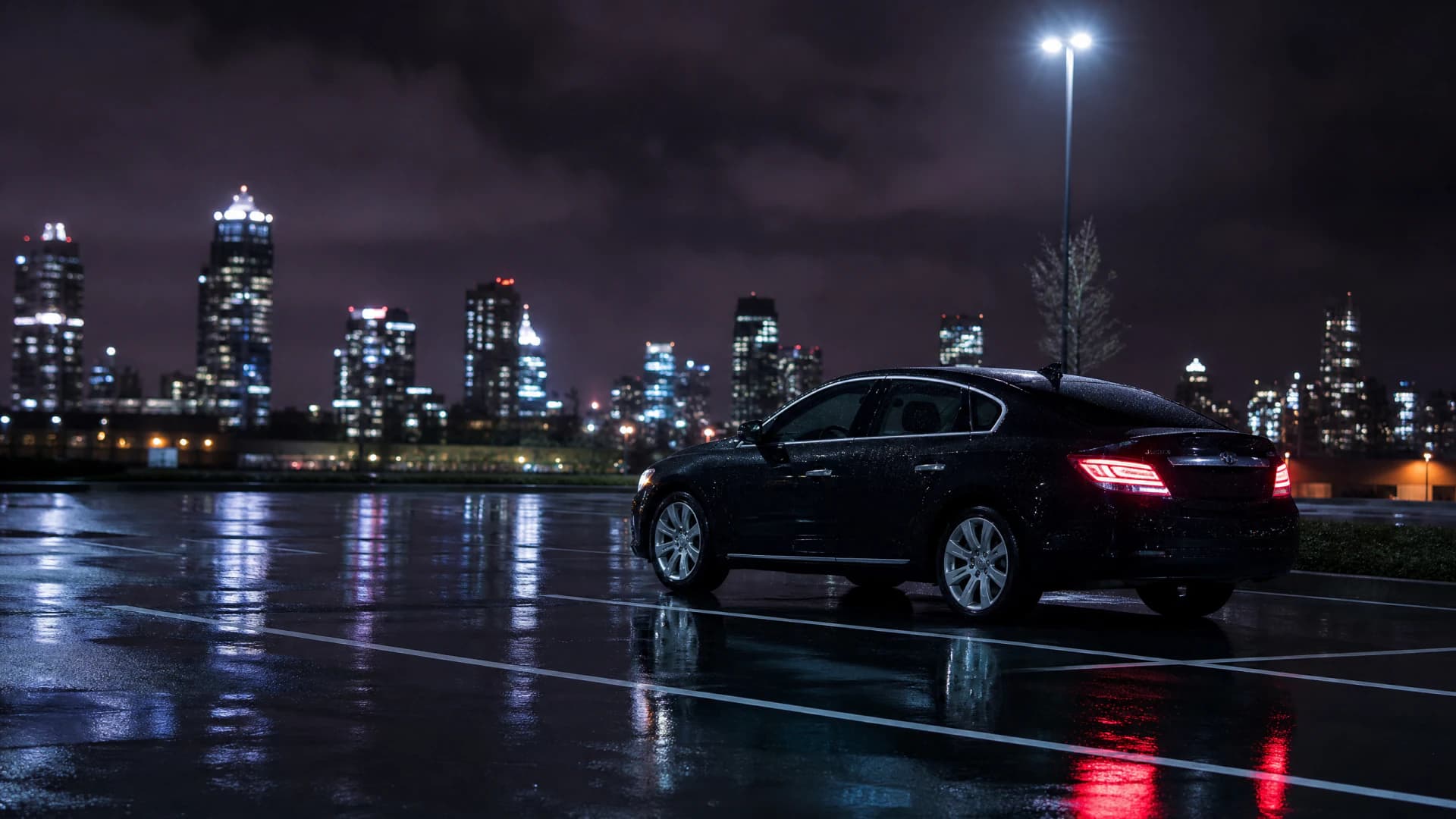
A second vehicle on a second policy—even with the same carrier—does not qualify for the multi-car discount. One policy, all vehicles.
Related Articles






Coverage Choices That Lower Your Premium Without Cutting Protection
Virginia requires $50,000 per person and $100,000 per accident in bodily injury liability, plus $25,000 in property damage liability. Uninsured motorist coverage is also mandatory. Those minimums are your floor, not your ceiling. The decision depends on what you own and what you risk losing in a lawsuit.
Collision and comprehensive coverage are optional in Virginia. If you own both vehicles outright and neither is worth more than a few thousand dollars, dropping collision and comprehensive on the older car cuts your premium immediately. The rule of thumb: if the vehicle's value is less than ten times the annual collision and comprehensive premium, the coverage costs more than it protects.
Deductibles control how much you pay before coverage kicks in. A $500 deductible costs more per month than a $1,000 deductible. If you can cover a $1,000 repair out of pocket, raising the deductible on both vehicles lowers your premium without eliminating protection. The savings compound across multiple cars—two vehicles with $1,000 deductibles instead of $500 can cut your annual premium by several hundred dollars.
12.9%
Virginia Uninsured Motorist Rate
Uninsured motorist coverage is mandatory in Virginia and protects your household when an at-fault driver has no coverage. Dropping it to save money leaves you exposed.
Insurance Information Institute, 2023

When Separate Policies Make Sense
One shared policy is the default structure for most Virginia households with multiple vehicles, but it is not universal. If one vehicle is titled to a household member who does not live at your address, that car may not qualify for the same-policy discount. If one driver has a recent DUI or multiple at-fault accidents, adding their vehicle to your policy can raise your premium more than the multi-car discount saves. In those cases, separate policies may cost less.
Compare the combined premium for one shared policy against the total cost of two separate policies. Request quotes both ways. If the shared-policy premium is lower even after accounting for the high-risk driver's surcharge, consolidate. If separate policies cost less, keep them separate until the high-risk driver's record improves. The multi-car discount is valuable, but it does not always outweigh a major surcharge.
Compare Carriers That Write Multi-Vehicle Policies in Virginia
Not all carriers price multi-vehicle policies the same way. Geico, Progressive, and State Farm all write multi-car policies in Virginia, but their base rates, discount structures, and underwriting rules differ. A carrier that quotes the lowest rate for one vehicle may not quote the lowest rate for two. The only way to know is to compare quotes with both vehicles on one policy.
Request quotes from at least three carriers. Provide the same coverage limits, deductibles, and driver information to each. Compare the total annual premium for both vehicles combined, not the per-vehicle rate. The carrier with the lowest combined premium wins, even if its per-vehicle rate is higher. Multi-car households save most by optimizing the total cost, not the cost per car. Virginia's competitive carrier market rewards comparison—use it.
How to Structure Your Multi-Vehicle Policy
Contact your current carrier and request a policy consolidation. Provide the policy numbers for both vehicles, the VINs, and the garaging address. Ask whether the multi-car discount applies retroactively to the current term or begins at the next renewal. If retroactive application is available, request it in writing. If not, the discount begins the day the policies merge. Confirm the new premium in writing before finalizing.
If your carrier does not write multi-vehicle policies or quotes a higher combined premium than your current total, compare carriers that specialize in multi-car households. Geico, Progressive, State Farm, and Allstate all write multi-vehicle policies in Virginia and apply the multi-car discount at the point of consolidation. Request quotes with both vehicles on one policy, not separate quotes for each car. The combined quote is the only one that reflects the discount.
Get Your Free Quote
Get My Virginia Car Insurance QuoteFrequently Asked Questions
Does the multi-car discount apply if I have two policies with the same carrier?
No. The multi-car discount requires every vehicle to sit on the same policy, under the same policy number. Two separate policies with the same carrier do not qualify, even if both are in your name. Contact your carrier to consolidate the policies and activate the discount.
Can I get the multi-car discount if one car is titled to my spouse?
Yes, as long as both vehicles are garaged at the same address and both drivers are listed on the same policy. Most Virginia carriers allow spouses to share one policy and apply the multi-car discount to both vehicles, regardless of whose name is on the title.
How much does the multi-car discount save in Virginia?
The discount structure varies by carrier. Some reduce each vehicle's premium by a percentage; others lower the base rate before calculating coverage costs. The savings depend on your carrier, your vehicles, and your coverage selections. Compare quotes with both vehicles on one policy to see the actual combined premium.
Should I drop collision coverage on my older car to save money?
If the vehicle's value is less than ten times the annual collision and comprehensive premium, dropping that coverage usually makes sense. Keep liability and uninsured motorist coverage—Virginia requires both.
What happens if I add a third vehicle to my policy?
Adding a third vehicle re-rates your entire policy, not just the new car. The multi-car discount typically increases with each additional vehicle, but the total premium also rises. Request a quote before adding the vehicle to confirm the new total cost. Some carriers cap the discount at two or three vehicles.
Can I combine my car insurance with my teenager's car on one policy?
Yes. Adding your teenager's vehicle to your existing policy usually costs less than starting a separate policy for them. The multi-car discount applies, and the combined premium is almost always lower than two separate policies. Virginia's graduated licensing rules do not prohibit shared policies.