
What the Three Numbers Mean When You File a Claim
Virginia's minimum liability requirement — $50,000 per person, $100,000 per accident, $25,000 property damage — is expressed as three separate limits, but they work together as a single per-accident ceiling. The first number ($50,000) is the maximum your policy pays for one person's bodily injury. The second ($100,000) is the total your policy pays for all bodily injuries in a single accident, no matter how many people are hurt. The third ($25,000) is the maximum your policy pays for property damage you cause in one accident.
These limits apply to every accident your policy covers, regardless of how many vehicles you insure on the policy. A household with three cars on one policy does not get three times the coverage — every vehicle shares the same $100,000 bodily-injury cap and $25,000 property-damage cap. If you cause an accident while driving any vehicle on your policy, the same three limits apply.
Compare car insurance rates in your state
Get quotes from licensed carriers — no obligation, no spam, results in minutes.
Get Your Free QuoteVirginia Minimum Liability
$50,000 / $100,000 / $25,000
These are the lowest limits you can carry and legally register a vehicle in Virginia. The first number caps what the policy pays one injured person; the second caps total bodily-injury payout per accident; the third caps property-damage payout per accident.
Virginia Department of Motor Vehicles
Why Per-Accident Limits Matter for Multi-Vehicle Households
Many drivers assume that insuring two or three vehicles on one policy multiplies their liability protection. It does not. Liability limits are per-accident, not per-vehicle. If you cause an accident that injures three people and totals two parked cars, your policy pays up to $100,000 for all three injuries combined and up to $25,000 for both vehicles combined — the same limits you would have if you insured only one car.
This structure creates exposure for households with multiple drivers and vehicles. A single at-fault accident involving serious injuries can exceed the $100,000 bodily-injury cap quickly, leaving you personally liable for the difference. The minimum limits protect you only up to the stated ceiling; anything beyond that comes out of your assets.
Adding vehicles to your policy does not increase your per-accident liability coverage.
Virginia's minimum liability limits are per accident, not per vehicle — insuring three cars on one policy does not triple your coverage.
How the Limits Apply in a Real Accident
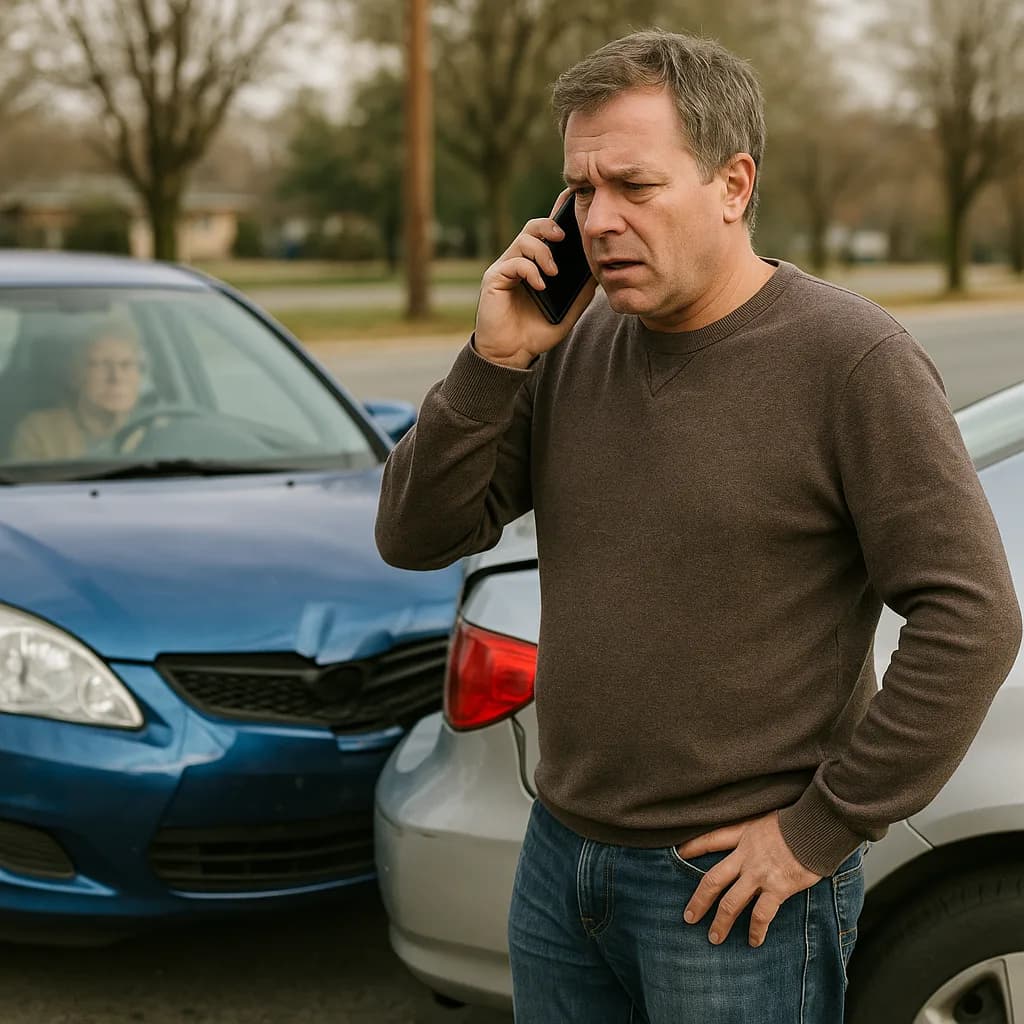
You cause an accident that injures two people and damages another vehicle. The second injured person receives $50,000, which covers their bills. But your $100,000-per-accident cap is now exhausted ($50,000 + $50,000), so the policy pays nothing more for bodily injury.
The property-damage claim is separate.
Related Articles


Why Higher Limits Cost Less Than You Think
For a household with multiple vehicles, higher limits protect every car and every driver on the policy under the same per-accident ceiling. You do not pay separately for each vehicle's liability coverage; the premium reflects the household's combined risk. Comparing quotes at multiple limit levels shows the actual cost difference, which is often smaller than the exposure gap the minimum leaves open.
Virginia also requires uninsured-motorist coverage, which protects you when the at-fault driver has no insurance or insufficient limits. That coverage mirrors your liability limits — if you carry the minimum $50,000/$100,000/$25,000 liability, your uninsured-motorist coverage is capped at the same amounts. Raising your liability limits raises your uninsured-motorist protection at the same time.
Virginia Uninsured Motorist Rate
12.9%
Your uninsured-motorist coverage fills that gap, but only up to the limits you carry.
Insurance Information Institute, 2023
When Minimum Limits Are Not Enough
The minimum limits work for minor accidents — a fender-bender with no injuries, a single-vehicle property-damage claim under $25,000. They fail when an accident involves serious injuries, multiple injured parties, or high-value property damage. A household with multiple vehicles faces higher statistical exposure simply because more cars and more drivers create more opportunities for a serious at-fault accident.
If you own a home, have retirement savings, or earn a salary that could be garnished, you are at risk if your liability limits are exhausted. Virginia law allows injured parties to sue you personally for amounts your insurance does not cover. Higher liability limits protect those assets by raising the ceiling before your personal exposure begins.
Compare Carriers That Write Multi-Vehicle Policies in Virginia
Not every carrier prices multi-vehicle policies the same way, and liability-limit pricing varies widely. Some carriers offer lower base rates with smaller multi-car discounts; others price higher but discount more aggressively when you insure multiple vehicles. The only way to know which structure works better for your household is to compare quotes at the liability limits you actually want to carry — not just the minimum.
The difference in premium shows you the cost of real protection versus the exposure the minimum leaves open. For a household with two or more vehicles, that comparison is the single most important decision you make when structuring your policy.