
Driving Without Insurance — Virginia
Free to compare
What Triggers the Uninsured-Driving Penalty
Virginia law requires continuous liability coverage on every registered vehicle. If DMV's electronic monitoring system flags a lapse, or if a traffic stop reveals you're driving without proof of insurance, the state initiates a suspension. The suspension applies immediately once DMV processes the violation, not when you receive the notice.
The penalty structure is the same whether DMV caught the lapse through its monitoring system or an officer discovered it during a stop: your license suspends, you owe a $145 reinstatement fee, and you must file SR-22 for three years. The difference lies in timing. A DMV-detected lapse gives you a window to respond before suspension takes effect; a traffic-stop discovery means the suspension clock starts the day of the stop.
“The suspension applies to your license, not just the uninsured vehicle—you cannot legally drive any vehicle in Virginia until reinstatement completes.”

Find Coverage That Keeps You Legal in Virginia
Get My Virginia Car Insurance Quote$145
Virginia Reinstatement Fee
The reinstatement fee applies every time you resolve a suspension for driving uninsured. It's a flat administrative charge separate from any fines, court costs, or premium increases.
Virginia Department of Motor Vehicles
How Virginia Detects Uninsured Drivers
Virginia DMV operates an electronic insurance-monitoring system that cross-checks registered vehicles against active liability policies. When a carrier cancels your policy or you let coverage lapse, the carrier notifies DMV electronically. DMV then sends a notice requiring proof of continuous coverage or surrender of your plates.
If you don't respond within the notice period, DMV suspends your registration and your license. The suspension remains in effect until you provide proof of insurance, file SR-22, and pay the reinstatement fee. A traffic stop bypasses the notice phase entirely: the officer verifies your insurance status in real time, and if you can't produce proof, the violation goes directly to DMV for suspension processing.
The state does not distinguish between a brief lapse and a prolonged gap. Any period without coverage triggers the same penalty once DMV processes it.

The suspension applies to your license, not just the uninsured vehicle. You cannot legally drive any vehicle in Virginia until you complete reinstatement.
Related Articles


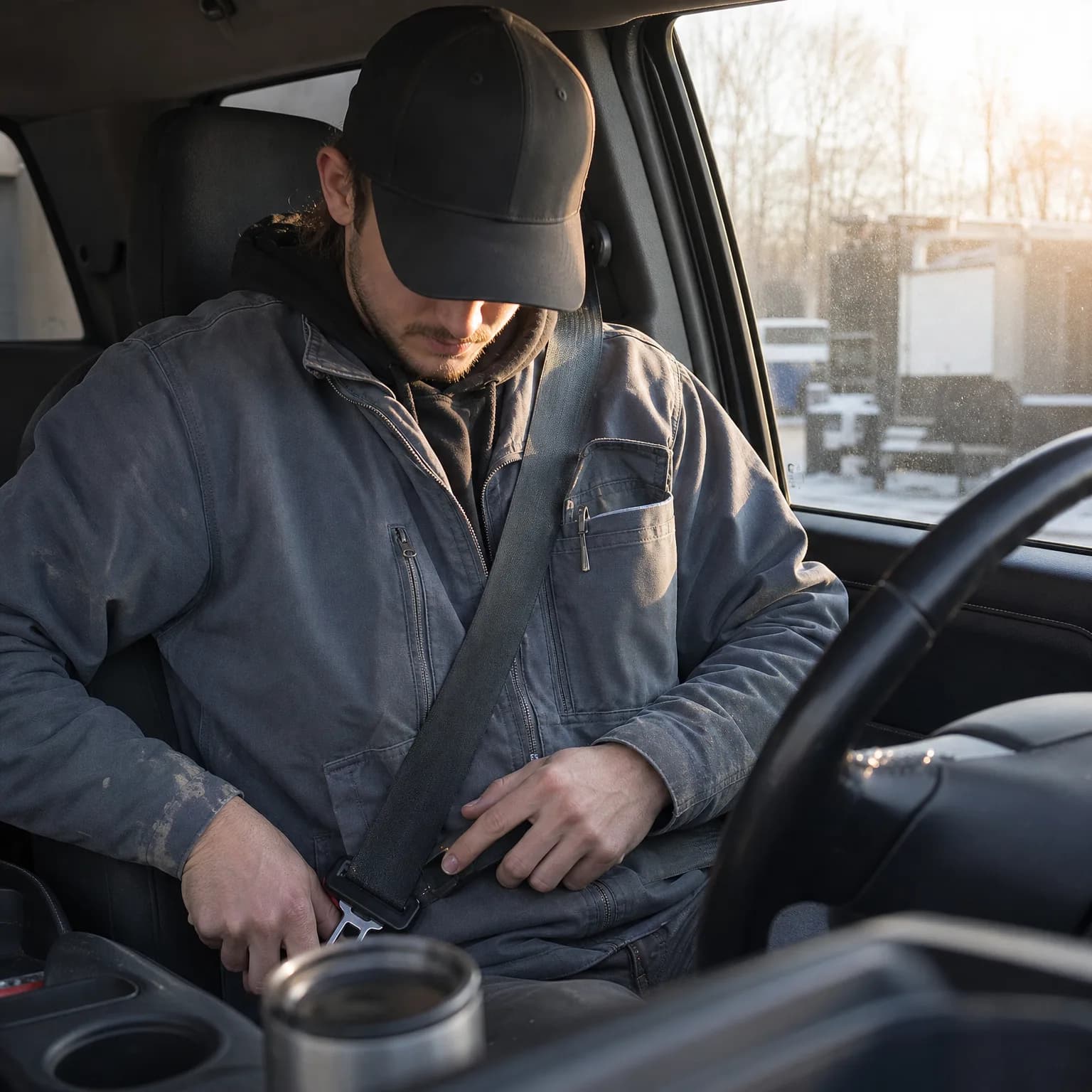




Reinstatement Steps After Suspension
Once DMV suspends your license for driving uninsured, reinstatement requires three actions in sequence. First, purchase a liability policy that meets Virginia's minimum limits and have the carrier file SR-22 with DMV. Second, pay the $145 reinstatement fee to DMV. Third, wait for DMV to process the SR-22 filing and fee payment, which typically takes one to five business days.
You cannot drive legally until DMV confirms reinstatement. Driving on a suspended license adds a separate violation with its own penalties, including potential jail time and extended suspension. If a court imposed additional conditions as part of your case, such as completion of a driver-improvement course, those must be satisfied before DMV will process reinstatement.
If you were caught driving uninsured during a traffic stop, expect a court date. The court may impose fines or other penalties on top of the DMV suspension and reinstatement fee. Resolve the court case first, then proceed with the DMV reinstatement steps.
3 years
SR-22 Filing Period
Virginia requires continuous SR-22 filing for three years after an uninsured-driving violation. Any lapse during that period triggers a new suspension and restarts the three-year clock.
Virginia Department of Motor Vehicles

What Happens If You Drive During Suspension
Driving on a suspended license in Virginia is a Class 1 misdemeanor. If the underlying suspension was for a DUI-related offense, the penalties escalate further. Courts treat driving-while-suspended as a deliberate violation, not an administrative oversight.
A second conviction for driving on a suspended license within a 10-year period triggers mandatory minimum jail time. The suspension period extends each time you're convicted, and each new violation resets the SR-22 filing clock. The compounding effect makes it nearly impossible to regain legal driving status without completing the full reinstatement process and maintaining continuous coverage.
How Multiple Vehicles Complicate Reinstatement
If you own multiple vehicles, Virginia requires proof of insurance for every registered vehicle before DMV will reinstate your license. You cannot reinstate by insuring only the car you intend to drive. The electronic monitoring system flags any uninsured vehicle registered in your name, and DMV will not process reinstatement until all vehicles show active coverage or you surrender the plates.
Households with multiple drivers face a similar constraint. If one driver's license suspends for driving uninsured, that driver cannot legally operate any household vehicle until reinstatement completes, even if the other vehicles carry valid policies under another household member's name. The suspension follows the driver, not the vehicle. Sharing a policy across multiple vehicles does not exempt the suspended driver from the SR-22 requirement; the SR-22 filing attaches to the suspended driver's record, and that driver must maintain it for three years regardless of how many cars the household insures.
Compare Carriers That File SR-22 in Virginia
Not every carrier writes SR-22 policies, and rates vary widely. Carriers confirmed to file SR-22 in Virginia include Geico, Progressive, State Farm, National General, Dairyland, Bristol West, The General, and Direct Auto. Some carriers specialize in high-risk policies and may offer faster filing or more flexible payment terms. Others write SR-22 as an add-on to standard policies but restrict eligibility based on your driving record.
Request quotes from at least three carriers. Provide your license number, the suspension reason, and the reinstatement date DMV gave you. Carriers price SR-22 policies based on your full driving history, not just the uninsured-driving violation, so expect variation. Once you select a carrier, confirm they will file SR-22 electronically with DMV the same day you bind coverage. Delayed filing extends the time you cannot drive legally.
The SR-22 Filing Requirement
To reinstate your license, you must purchase a liability policy that meets Virginia's minimums: $50,000 bodily injury per person, $100,000 bodily injury per accident, and $25,000 property damage. Your carrier then files SR-22 electronically with DMV. Not every carrier writes SR-22 policies. Carriers confirmed to file SR-22 in Virginia include Geico, Progressive, State Farm, National General, Dairyland, Bristol West, The General, and Direct Auto. The filing itself carries no state fee; carriers set their own SR-22 processing charges.
The three-year filing period begins the day DMV receives the SR-22, not the day of the violation. If your policy cancels or lapses at any point during those three years, your carrier notifies DMV, and your license suspends again. Maintaining continuous coverage for the full three years is the only way to satisfy the requirement and avoid repeated suspensions.
Get Your Free Quote
Get My Virginia Car Insurance QuoteFrequently Asked Questions
How long does my license stay suspended for driving without insurance in Virginia?
Virginia suspends your license until you provide proof of insurance, file SR-22, and pay the $145 reinstatement fee. The suspension does not lift automatically after a set period. Once you complete those three steps, DMV typically processes reinstatement within one to five business days.
Can I get a hardship license while my license is suspended for driving uninsured?
Virginia offers restricted driving privileges for some suspension types, but eligibility depends on the specific violation and whether a court or DMV imposed the suspension. For uninsured-driving suspensions, you must petition the court or DMV with documentation justifying your need, such as a letter from your employer on letterhead. Approval is not guaranteed.
What is SR-22 and why does Virginia require it after driving uninsured?
SR-22 is a certificate your insurance carrier files with DMV proving you carry at least Virginia's minimum liability limits: $50,000 bodily injury per person, $100,000 per accident, and $25,000 property damage. Virginia requires SR-22 filing for three years after an uninsured-driving violation to ensure you maintain continuous coverage.
Does the SR-22 filing period restart if I let my insurance lapse?
Yes. If your policy cancels or lapses at any point during the three-year SR-22 filing period, your carrier notifies DMV, and your license suspends again. The three-year clock restarts from the date you file a new SR-22 and reinstate your license.
How much does SR-22 filing cost in Virginia?
Virginia charges no state fee for SR-22 filing. The larger cost is the premium increase that follows an uninsured-driving violation, which varies by carrier and your full driving history.
Can I insure multiple vehicles on one policy if I need SR-22?
Yes. You can insure multiple vehicles on a single policy that includes SR-22 filing. The SR-22 attaches to your driver record, not to a specific vehicle, so one filing covers all vehicles on the policy. If you own multiple vehicles, DMV requires proof of insurance for every registered vehicle before processing reinstatement.
What happens if I'm caught driving on a suspended license in Virginia?
A second conviction within 10 years triggers mandatory minimum jail time and extends the suspension further.