
Car Registration Documents — Virginia
Free to compare
What You Need Before You Start
You just bought a car in Virginia — from a dealer, a private seller, or out of state — and now you need to register it with the DMV. The document checklist changes depending on how you bought the vehicle, whether it's new or used, and whether you're titling it for the first time or transferring an existing Virginia title. Walk in without the right paperwork and you're making a second trip.
Virginia DMV requires proof of ownership, proof of insurance meeting state minimum liability limits, odometer disclosure for vehicles under 10 years old, and proof you paid sales tax or qualify for an exemption. If you're registering a vehicle you already own in another state, you'll also need the out-of-state title and a completed application. The insurance requirement is the one that trips up households adding a second or third car: your existing policy does not automatically cover a newly-purchased vehicle beyond the carrier's grace period, and showing up without current proof means the registration is denied.
“Your existing multi-car policy does not automatically cover a newly-purchased vehicle beyond the carrier's grace period.”

Find Coverage That Keeps You Legal in Virginia
Get My Virginia Car Insurance Quote$50,000 / $100,000 / $25,000
Virginia Minimum Liability Limits
Virginia requires bodily injury coverage of $50,000 per person and $100,000 per accident, plus $25,000 property damage. Your insurance card or electronic proof must show these minimums or higher to complete registration.
Virginia DMV
The Core Document Set for Every Registration
Every Virginia registration starts with four documents. First, proof of ownership: the vehicle title signed by the seller (or the Manufacturer's Certificate of Origin if the car is brand new). If the title is held by a lienholder, you need the lienholder's release or a letter authorizing registration. Second, proof of insurance meeting Virginia's minimum liability limits — an insurance card, a binder, or the carrier's electronic confirmation showing your name, the vehicle identification number, and coverage effective on or before the registration date.
Third, odometer disclosure. Virginia requires a federal odometer statement for any vehicle less than 10 years old. If you bought from a dealer, this is printed on the back of the title or on a separate federal form. If you bought from a private seller, the odometer reading must be recorded on the title assignment or on a standalone disclosure form signed by both parties. Fourth, proof of sales tax payment or exemption. You'll present either the bill of sale showing the purchase price (DMV calculates the tax), a completed sales tax form if you're claiming an exemption (gift, inheritance, transfer between family members), or a receipt showing you already paid the tax to another Virginia locality.
If you're registering a vehicle you moved into Virginia from another state, you need the out-of-state title (signed and notarized per that state's rules), the Virginia Application for Certificate of Title and Registration (form VSA 14), and proof you passed a Virginia safety inspection within the past 12 months. The safety inspection must happen before registration; the inspection station enters the result into the state system, and DMV verifies it electronically when you apply.

Virginia DMV will not register a vehicle without current proof of insurance showing the minimum liability limits. Your existing multi-car policy does not automatically extend to a newly-purchased vehicle beyond the carrier's grace period.


The Insurance Proof Timing Window
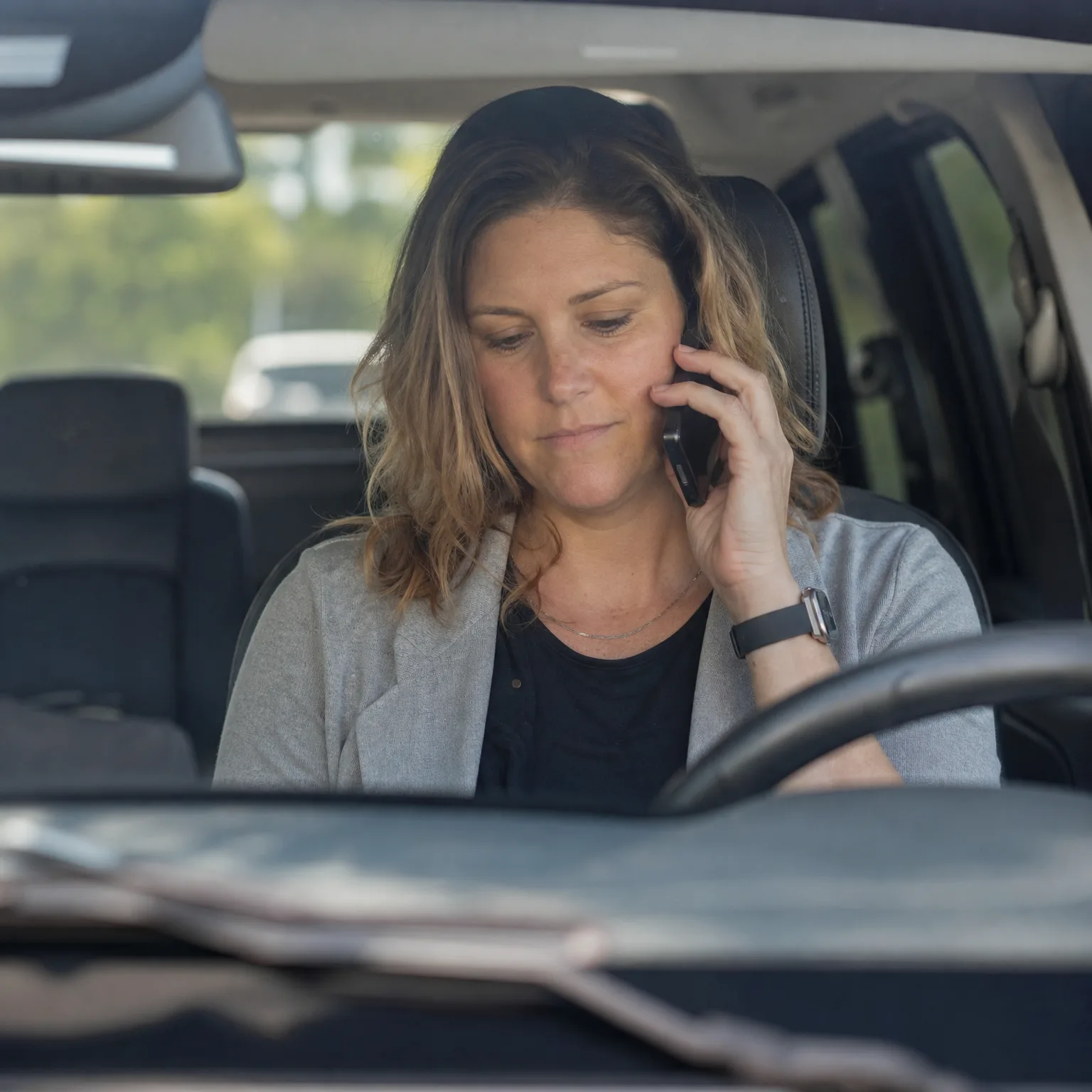
Virginia requires proof of insurance at the moment you register the vehicle, not after. If you're adding a car to an existing multi-vehicle policy, contact your carrier before you go to DMV and confirm the new vehicle is added and the updated proof is available. Most carriers give you a grace period — often 14 to 30 days — to report a newly-purchased vehicle and have it covered under your existing policy, but that grace period does not satisfy DMV's registration requirement. You need proof showing the vehicle is actively insured, with your name and the VIN, effective on or before the registration date.
If you're buying your first car or starting a new policy, get the insurance in place before you complete the purchase. The carrier will issue a binder or an insurance card showing coverage for the specific vehicle. Bring that document to DMV when you register. If you show up without it, the registration is denied, and you'll make a second trip once you have proof in hand.
Households managing multiple vehicles often assume the existing policy automatically covers a newly-purchased car. It does, but only during the carrier's grace period, and only if you report the purchase within that window. Miss the window and the vehicle is uninsured. Show up at DMV without proof and the registration is denied. The failure mode: you buy a second or third car, assume it's covered, delay notifying the carrier, and discover at the DMV counter that your proof of insurance does not list the new VIN. The fix: call your carrier the day you buy the car, add it to the policy, and request updated proof before you go to DMV.
12.9%
Virginia Uninsured Motorist Rate
Virginia requires uninsured motorist coverage on every policy to protect you when an at-fault driver has no insurance. Proof of UM coverage is part of the registration document set.
Insurance Information Institute, 2023

Out-of-State Transfers and Safety Inspections
If you're moving to Virginia and registering a vehicle you already own, you need the out-of-state title (signed per that state's notarization rules), a completed Virginia safety inspection within the past 12 months, proof of insurance meeting Virginia's minimums, and form VSA 14. The safety inspection must happen first: take the car to a Virginia inspection station, pass the inspection, and the station uploads the result to the state system. When you apply for registration, DMV verifies the inspection electronically. No inspection on file means no registration.
If the out-of-state title shows a lienholder, Virginia DMV will issue a new Virginia title showing the same lien. The lienholder keeps the title until the loan is paid off. If you've paid off the loan but the out-of-state title still shows the lien, get a lien release from the lender before you move. Without it, Virginia DMV will assume the lien is active and mail the new title to the lienholder's address, not yours.
Compare Carriers Writing Multi-Vehicle Policies in Virginia
You've confirmed the document set, you know the insurance proof timing window, and you're ready to register. If you're adding this vehicle to an existing multi-car policy, confirm with your carrier that the new car is listed and request updated proof showing all vehicles. If you're starting a new policy or switching carriers, compare quotes from carriers writing multi-vehicle policies in Virginia. The Virginia car insurance requirements page lists carriers operating in the state, the coverage products they write, and how to request a quote. Get the insurance in place, bring proof to DMV, and complete the registration in one trip.
Dealer Purchase vs Private-Party Purchase
When you buy from a licensed Virginia dealer, the dealer collects sales tax at the point of sale, provides the title or MCO with odometer disclosure already completed, and often submits the registration application electronically on your behalf. You still need to provide proof of insurance meeting Virginia's minimums before the dealer can file. If the dealer does not offer registration services, you'll receive a packet containing the title, bill of sale, odometer statement, and sales tax receipt, and you submit the application yourself within 30 days of purchase.
When you buy from a private seller, you're responsible for every step. The seller signs the title over to you and completes the odometer disclosure on the title or on a separate federal form. You provide proof of insurance, complete form VSA 14, and submit everything to DMV in person or by mail. If the seller still owes money on the car, the lienholder must release the title or provide written authorization for the transfer before DMV will register it in your name.
Get Your Free Quote
Get My Virginia Car Insurance QuoteFrequently Asked Questions
Can I register a car in Virginia without insurance?
No. Virginia DMV requires proof of insurance meeting the state's minimum liability limits at the time you register the vehicle. You must provide an insurance card, binder, or electronic proof showing your name, the vehicle identification number, and coverage effective on or before the registration date.
What counts as proof of insurance for Virginia car registration?
Virginia accepts an insurance card issued by your carrier, an insurance binder showing coverage for the specific vehicle, or the carrier's electronic confirmation. The proof must show your name, the vehicle VIN, coverage meeting Virginia's $50,000/$100,000/$25,000 liability minimums, and an effective date on or before the registration date.
Do I need a safety inspection to register a car in Virginia?
Yes, if you're registering a vehicle from out of state or a vehicle that has not been registered in Virginia within the past 12 months. The inspection must be completed at a Virginia inspection station within 12 months before you apply for registration. The station uploads the result to the state system, and DMV verifies it electronically when you register.
How do I prove I paid sales tax when registering a car in Virginia?
If you bought from a dealer, the dealer collects sales tax at the point of sale and provides a receipt. If the transaction qualifies for an exemption (gift, inheritance, family transfer), you complete a sales tax exemption form and provide supporting documentation.
What happens if the title shows a lienholder?
If the vehicle has an active loan, the lienholder keeps the title until the loan is paid off. You need a lien release or a letter from the lienholder authorizing the registration before DMV will process it. If you're transferring an out-of-state title with a lien, Virginia DMV will issue a new title showing the same lienholder and mail it to the lender's address.
Can I register a car online in Virginia?
Virginia offers online registration renewal for vehicles already registered in the state, but initial registration of a newly-purchased or out-of-state vehicle requires an in-person visit or mail submission. You must present the title, proof of insurance, odometer disclosure, and sales tax documentation, and DMV verifies the documents before issuing registration.