
Updating Your Address on Virginia Car Insurance
Free to compare
When One Vehicle Moves and the Others Stay
You added a second car to your policy six months ago. Now your teenager is taking that car to college three counties away, or you bought a work truck that stays at a job site instead of your home address. The vehicle is still titled to you, still insured on your household policy, but it no longer parks where the other cars park overnight. You need to know whether that counts as an address change, and what happens to your premium when you report it.
Virginia law treats the garaging address — the location where a vehicle is parked overnight most of the time — as a rating factor separate from your mailing address. When one vehicle on a multi-car policy moves to a different garaging location, carriers re-rate the entire policy, not just the vehicle that moved. The new garaging address may sit in a different rating territory with different theft rates, accident frequencies, and repair costs. That re-rating can raise or lower your total premium depending on where the vehicle now parks.
“Updating the garaging address for one vehicle re-rates every vehicle on a multi-car policy, not just the one that moved.”

Find Coverage That Keeps You Legal in Virginia
Get My Virginia Car Insurance Quote30 days
Virginia DMV Address Update Window
Virginia law requires you to notify DMV of an address change within 30 days of the move. Your carrier is not automatically notified by DMV — you must update both separately. Missing the DMV window can void coverage if a claim occurs and the carrier discovers the vehicle was garaged at an unreported location.
Virginia Department of Motor Vehicles
What Counts as a Garaging Address Change
Your mailing address and your garaging address are not the same thing. The mailing address is where your policy documents and renewal notices are sent. The garaging address is the physical location where each vehicle is parked overnight most nights of the year. When you move your residence, both addresses change together. When one vehicle moves to a different overnight location but you stay at the same residence, only that vehicle's garaging address changes.
A vehicle garaged at a college campus, a work site, a second home, or a family member's address in a different city requires a separate garaging address on your policy. Carriers ask for the garaging address of every vehicle on a multi-car policy at the time you add the vehicle. If that location changes after the policy is in force, you must report the new garaging address to the carrier within the notification window.
Virginia does not define a specific notification deadline in insurance statute, but carriers write notification requirements into the policy contract — typically 30 days from the date the vehicle begins parking at the new location. The 30-day DMV notification requirement runs in parallel. Missing either window creates a coverage gap: DMV may suspend your registration for failure to update, and the carrier may deny a claim if the vehicle was garaged at an address the policy does not reflect.
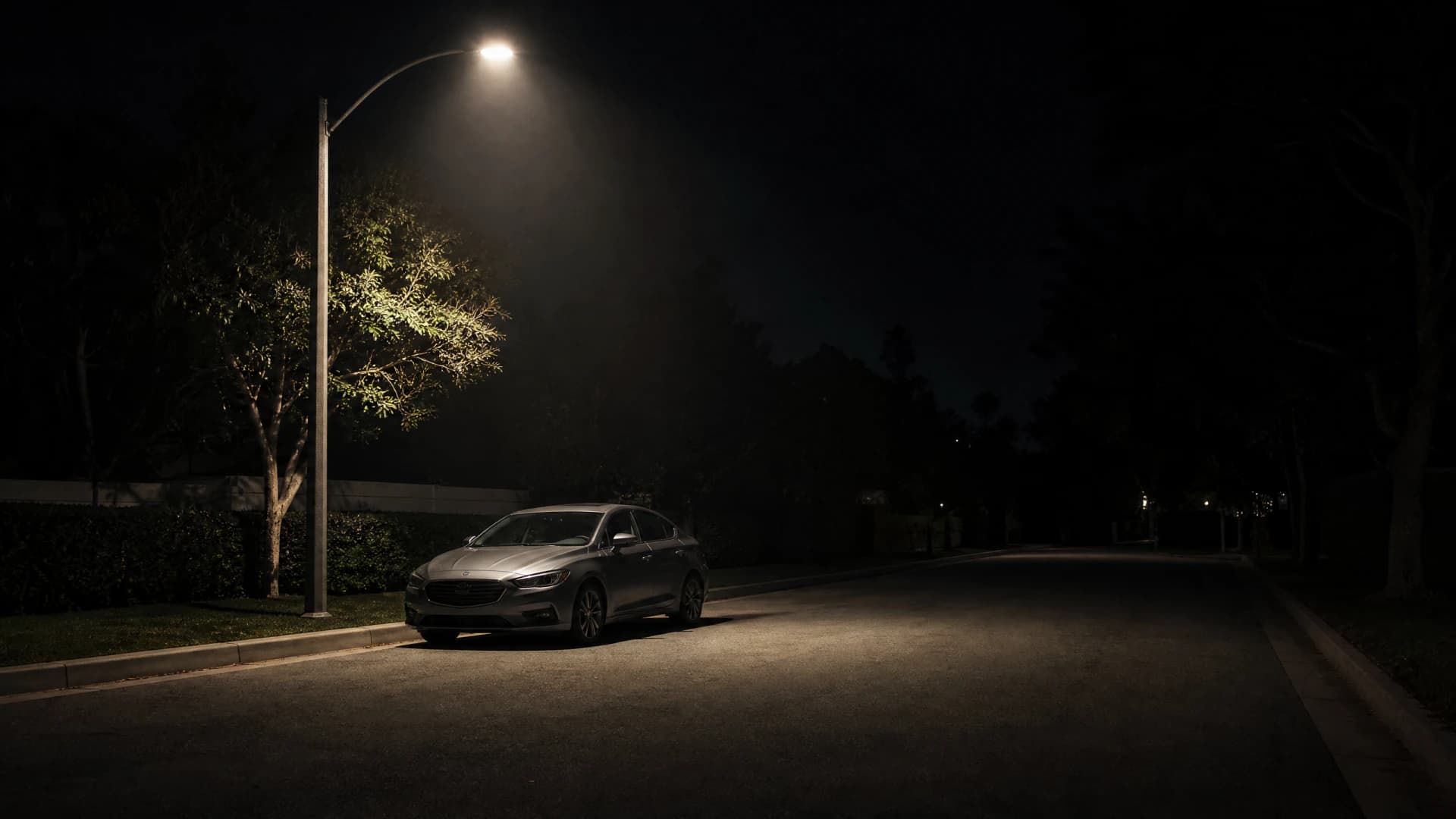
Updating the garaging address for one vehicle on a multi-car policy re-rates every vehicle on that policy, not just the one that moved.




Reporting the Change to Your Carrier and to DMV
You must update your garaging address with your carrier and with Virginia DMV separately. The two agencies do not share address updates automatically. Start with your carrier: log in to your online account portal, call your agent, or use the carrier's mobile app to report the new garaging address for the vehicle that moved. Provide the full street address, city, and ZIP code where the vehicle now parks overnight. The carrier will confirm the new rating territory and provide the premium adjustment amount before finalizing the change.
After updating your carrier, notify Virginia DMV. If you moved your residence, update your address online at dmv.virginia.gov, by mail using form VSA 10, or in person at a DMV customer service center. If only one vehicle's garaging location changed and your residence stayed the same, call DMV customer service at 804-497-7100 to clarify whether a separate garaging address update is required for that vehicle's registration. DMV may require documentation showing the vehicle is garaged at the new location, such as a lease agreement or a letter from the property owner.
Carriers that write multi-car policies in Virginia include Geico, Progressive, State Farm, Allstate, Nationwide, and others. Each carrier's address-update process differs slightly: some allow online updates for garaging address changes, others require a phone call to confirm the new location and re-rate the policy in real time. If you added a vehicle recently and the garaging address for that vehicle changes before your next renewal, expect the re-rating to occur immediately rather than waiting for the renewal date.
$50,000 / $100,000 / $25,000
Virginia Minimum Liability Limits
Virginia requires minimum liability coverage of $50,000 per person for bodily injury, $100,000 per accident, and $25,000 for property damage. These minimums apply to every vehicle on your policy. When a garaging address change re-rates your policy, the new premium reflects these required minimums plus any higher limits or optional coverages you carry.
Virginia Department of Motor Vehicles

What Happens If You Do Not Report the Change
If a vehicle on your policy is garaged at an address the policy does not reflect, and a claim occurs, the carrier investigates the garaging location as part of the claims process. Carriers pull police reports, repair shop addresses, and witness statements to confirm where the vehicle was parked when the loss occurred. If the investigation shows the vehicle was garaged at an unreported location for weeks or months before the claim, the carrier may deny the claim on the grounds that the policy was rated for a different address and the premium you paid does not reflect the actual risk.
Virginia DMV suspends registration for failure to update your address within 30 days of a move. A suspended registration makes the vehicle illegal to drive, and driving on a suspended registration is a Class 2 misdemeanor under Virginia Code §46.2-613. If you are stopped, the officer can impound the vehicle.
Compare Carriers That Write Multi-Car Policies in Virginia
When a garaging address change raises your premium more than expected, compare what other carriers charge for the same coverage at the new garaging location. Carriers weight rating territories differently: one carrier may assign a high rate to an urban ZIP code where another carrier's rate is moderate. A multi-car policy that was competitively priced at your old address may no longer be the best option after the move.
Request quotes from at least three carriers that write multi-car policies in Virginia. Provide the garaging address for every vehicle on your policy, the coverage limits you currently carry, and the names and birthdates of every driver in your household. Carriers calculate the multi-car discount based on the number of vehicles on one policy, but the discount percentage varies by carrier. A smaller discount on a lower base rate can produce a lower total premium than a larger discount on a higher base rate. Compare the total annual premium across all vehicles, not the per-vehicle cost, to see which carrier offers the best value for your household after the address change.
How the Update Re-Rates Your Policy
When you report a garaging address change for one vehicle, the carrier assigns that vehicle to the rating territory that matches the new garaging ZIP code. The carrier then re-rates the entire policy using the new mix of territories. If your household now has two vehicles in one territory and one in another, the policy premium reflects the blended rate across all three territories. A vehicle moving from a low-rate rural county to a high-rate urban core raises the total premium. A vehicle moving in the opposite direction lowers it.
The re-rating happens at the time you report the change, not at renewal. Carriers apply the new rate to the remainder of the current term and calculate a pro-rated adjustment. If the new rate is higher, you owe the difference for the remaining months. If the new rate is lower, the carrier issues a credit or refund. The adjustment appears on your next billing statement, typically within one billing cycle of the address update.
Get Your Free Quote
Get My Virginia Car Insurance QuoteFrequently Asked Questions
Do I need to update my car insurance if only one vehicle on my policy moved to a different garaging location?
Yes. Virginia carriers require you to report the garaging address for every vehicle on your policy. When one vehicle moves to a different overnight parking location, you must update that vehicle's garaging address with your carrier within 30 days. The carrier will re-rate your entire multi-car policy based on the new mix of garaging locations.
How long do I have to update my address with Virginia DMV after moving?
Virginia law requires you to notify DMV of an address change within 30 days of the move. You can update your address online at dmv.virginia.gov, by mail using form VSA 10, or in person at a DMV customer service center. Failure to update within 30 days can result in registration suspension.
Will my car insurance premium go up if I move one vehicle to a different city in Virginia?
It depends on the rating territory of the new garaging location. Carriers divide Virginia into rating territories based on claims frequency, theft rates, and repair costs. Moving a vehicle from a low-rate rural county to a high-rate urban area typically raises your premium. Moving in the opposite direction may lower it.
What happens if I do not report a garaging address change to my car insurance carrier?
If a claim occurs and the carrier discovers the vehicle was garaged at an unreported location, the carrier may deny the claim. Carriers investigate garaging locations during the claims process by reviewing police reports and repair shop addresses. A denied claim leaves you responsible for all repair costs and liability.
Does updating my mailing address automatically update the garaging address for my vehicles?
No. Your mailing address and your garaging address are separate fields on your policy. When you move your residence, both addresses change together. When one vehicle moves to a different overnight location but your residence stays the same, you must update only that vehicle's garaging address with your carrier.
Can I keep the same car insurance policy if one of my vehicles is now garaged in a different state?
No. Virginia carriers require every vehicle on a multi-car policy to be garaged in Virginia. If a vehicle moves out of state permanently, you must remove it from your Virginia policy and obtain coverage in the state where the vehicle is now garaged. Temporary out-of-state garaging, such as a college student taking a car to school for one semester, may be covered under your existing policy depending on the carrier's rules.