
Travelers Multi-Car Insurance — Virginia
Free to compare
Does Travelers Write Multi-Car Policies in Virginia
Travelers writes auto insurance in Virginia and accepts policies covering multiple vehicles under one household account. The carrier operates statewide with online quoting available, and their standard-tier product serves households insuring two or more cars on a shared policy.
Virginia requires $50,000 bodily injury per person, $100,000 bodily injury per accident, and $25,000 property damage liability on every registered vehicle. Travelers meets these minimums and offers higher limits, collision, comprehensive, and uninsured motorist coverage for households structuring coverage across several cars.
“Travelers does not file FR-44 certificates in Virginia, creating a structural blocker for households adding a vehicle after a DUI conviction.”

Find Coverage That Keeps You Legal in Virginia
Get My Virginia Car Insurance Quote$50,000 / $100,000 / $25,000
Virginia Minimum Liability Limits
Every vehicle registered in Virginia must carry at least $50,000 bodily injury per person, $100,000 per accident, and $25,000 property damage. Uninsured motorist coverage is also mandatory statewide.
Virginia Department of Motor Vehicles
What Travelers Offers for Households with Multiple Vehicles
Travelers structures multi-car policies as a single account with every vehicle listed on one policy declaration. Each car receives its own coverage selections — you can carry collision on the newer sedan and liability-only on the older truck — but all vehicles share the same policy number and renewal date.
The multi-car discount applies when every vehicle sits on the same policy and shares a garaging address. Travelers does not publish the discount percentage, and the actual savings depend on the number of vehicles, driver assignments, and coverage levels you select. A household with three cars typically sees a lower combined premium than three separate policies, but the exact difference varies by household.
Travelers also writes non-owner policies for drivers who do not own a vehicle but need continuous coverage to avoid a lapse. This product does not apply to households insuring their own cars — it serves drivers borrowing or renting vehicles regularly.
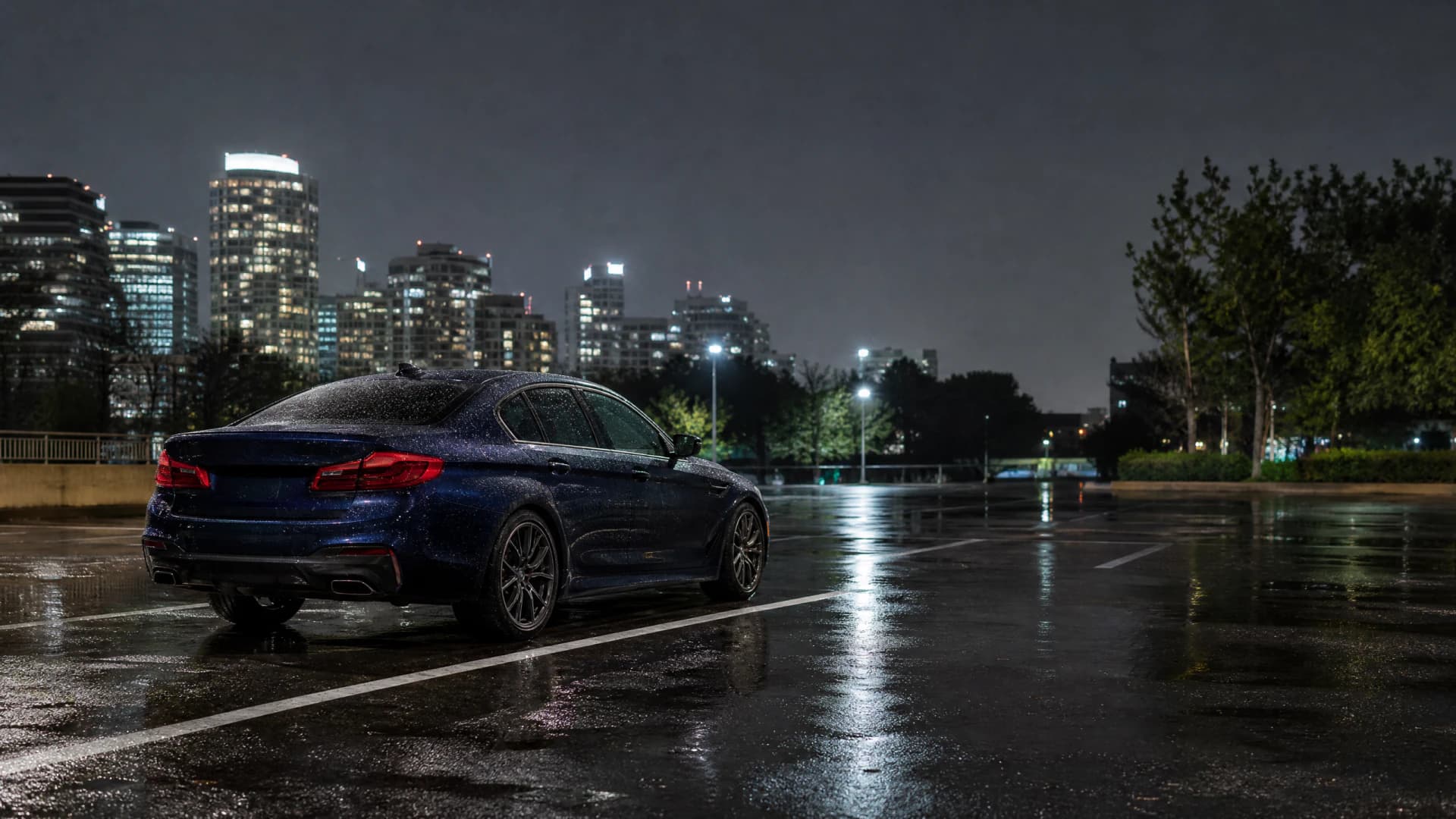
Travelers does not file FR-44 certificates in Virginia. If any driver on your policy needs FR-44 after a DUI conviction, you cannot use Travelers for that vehicle.







What Happens When a Household Member Needs FR-44 Filing
Virginia requires FR-44 filing for DUI convictions under Virginia Code §18.2-266, DUI resulting in maiming under §18.2-51.4, and driving while suspended or revoked for a DUI-related offense under §18.2-272. The FR-44 certificate proves the driver carries elevated liability limits — $100,000 bodily injury per person, $200,000 per accident, and $50,000 property damage — for three years from the conviction date.
Travelers does not file FR-44 certificates in Virginia. If a driver on your household policy receives a DUI conviction and the DMV orders FR-44, you must move that driver and their vehicle to a carrier that files FR-44, or move the entire household if you want to keep all cars on one policy. Carriers that write FR-44 in Virginia include Progressive, Geico, Dairyland, Bristol West, National General, The General, and Direct Auto.
The structural blocker: you cannot keep one vehicle on a Travelers policy and move another to an FR-44 carrier while preserving the multi-car discount. The discount requires every vehicle on the same policy, so splitting the household across two carriers means each policy prices independently. For households where one driver needs FR-44 and the others do not, the decision becomes whether to move everyone to an FR-44 carrier to preserve the multi-car discount, or accept separate policies and lose the discount on the non-FR-44 vehicles.
$100,000 / $200,000 / $50,000
Virginia FR-44 Elevated Limits
FR-44 filing requires double the standard minimums: $100,000 bodily injury per person, $200,000 per accident, and $50,000 property damage. The filing lasts three years and must remain continuous — any lapse restarts the clock.
Virginia Code §18.2-266

Comparing Travelers to Carriers That File FR-44
If your household does not need FR-44 and every driver has a clean record, Travelers competes directly with other standard-tier carriers writing Virginia multi-car policies: State Farm, Geico, Progressive, Nationwide, and Allstate. Each carrier prices the same household differently based on their own underwriting models, so the lowest premium for a two-car household in Richmond may not be the lowest for a three-car household in Virginia Beach.
If any driver on your policy needs FR-44, narrow the comparison to carriers that file the certificate. Progressive and Geico write both standard and FR-44 policies, so they can quote a household where one driver needs elevated limits and the others do not. Dairyland, Bristol West, and The General specialize in non-standard and high-risk coverage, and their base rates may be higher than Travelers even before the FR-44 surcharge, but they offer the filing capability Travelers does not.
Next Step for Virginia Households Insuring Multiple Cars
Request quotes from at least three carriers that write multi-car policies in Virginia and confirm each can handle your household's specific situation — whether that means standard coverage for clean-record drivers or FR-44 filing for a driver with a DUI conviction. Compare the total premium for all vehicles combined, not individual car rates, because the multi-car discount changes the math. If one driver needs FR-44, quote both scenarios: moving the entire household to an FR-44 carrier to preserve the discount, and splitting the household across two policies to keep non-FR-44 vehicles with a standard carrier. The lower combined total depends on your household's driver records, vehicle values, and coverage selections.
How Multi-Car Policies Work at Travelers
Travelers assigns every vehicle to a primary driver, and that assignment determines the base rate for each car. If your household has three vehicles and two licensed drivers, one driver will be listed as primary on two cars. The carrier rates each vehicle separately, then applies the multi-car discount to the combined total. Adding a vehicle mid-term re-rates the entire policy rather than simply adding a flat amount, so the premium change depends on the new car's value, the assigned driver's record, and how the discount recalculates across all vehicles.
Travelers requires every vehicle on the policy to be garaged at the same address. If a household member moves to a different city or state and takes a car with them, that vehicle must move to a separate policy. The multi-car discount applies only when all cars share the same garaging location, so splitting the household across two addresses means losing the discount on the separated vehicle.
Get Your Free Quote
Get My Virginia Car Insurance QuoteFrequently Asked Questions
Does Travelers offer multi-car discounts in Virginia?
Travelers applies a multi-car discount when every vehicle sits on the same policy and shares a garaging address. The carrier does not publish the discount percentage, and the actual savings depend on the number of vehicles, driver assignments, and coverage levels. A household with multiple cars typically pays less on one combined policy than on separate policies, but the exact difference varies by household.
Can I add a vehicle to my Travelers policy mid-term in Virginia?
You can add a vehicle to an existing Travelers policy at any time by contacting the carrier or your agent. Adding a vehicle mid-term re-rates the entire policy rather than simply adding a flat amount, so the premium change depends on the new car's value, the assigned driver's record, and how the multi-car discount recalculates across all vehicles.
Does Travelers file FR-44 certificates in Virginia?
Travelers does not file FR-44 certificates in Virginia. If a driver on your household policy needs FR-44 after a DUI conviction, you must move that driver and their vehicle to a carrier that files FR-44, such as Progressive, Geico, Dairyland, Bristol West, National General, The General, or Direct Auto.
What happens to my multi-car discount if one driver needs FR-44?
The multi-car discount requires every vehicle on the same policy. If one driver needs FR-44 and moves to a carrier that files the certificate, the remaining vehicles on your Travelers policy lose the discount unless you move the entire household to the FR-44 carrier. Splitting the household across two carriers means each policy prices independently.
Can I keep some cars on Travelers and move others to an FR-44 carrier?
You can split your household across two carriers, but you lose the multi-car discount on both policies. The discount applies only when every vehicle sits on the same policy, so separating vehicles means each policy prices as if it were the only coverage you carry. For households where one driver needs FR-44, compare the total cost of moving everyone to an FR-44 carrier against the cost of separate policies.
Does Travelers write non-owner policies in Virginia?
Travelers writes non-owner policies in Virginia for drivers who do not own a vehicle but need continuous coverage to avoid a lapse. This product does not apply to households insuring their own cars — it serves drivers borrowing or renting vehicles regularly and does not provide a multi-car discount.