
Allstate Multi-Car Insurance — Virginia
Free to compare
Does Allstate Write Multi-Car Policies in Virginia
Allstate writes auto insurance in Virginia and accepts policies covering two or more vehicles. The carrier files SR-22 and FR-44 certificates, which matters if any driver in your household needs proof-of-financial-responsibility filing. Allstate operates in the standard tier, meaning households with clean or moderately clean driving records typically qualify.
The multi-car discount applies when every vehicle sits on the same policy under one named insured. If you own three cars but title one to a household member on a separate policy, that vehicle does not count toward the discount. The same-policy requirement is structural, not a pricing quirk.
“A vehicle titled to someone outside the household does not count toward the multi-car discount, even if garaged at the same address.”

Find Coverage That Keeps You Legal in Virginia
Get My Virginia Car Insurance Quote50,000/100,000/25,000
Virginia Minimum Liability Limits
Virginia requires $50,000 bodily injury per person, $100,000 per accident, and $25,000 property damage. Uninsured motorist coverage is mandatory. Allstate policies must meet or exceed these minimums.
Virginia DMV
How Allstate's Multi-Car Discount Works in Virginia
Allstate's multi-car discount reduces the premium when you insure two or more vehicles on one policy. The discount applies to the policy as a whole, not to individual vehicles. Adding a second car triggers the discount; adding a third typically increases the discount further, though the incremental savings shrink with each additional vehicle.
The discount requires every vehicle to share the same policy number and named insured. A car titled to your spouse on their own Allstate policy does not qualify for your multi-car discount, even if you live at the same address. Combining two existing policies into one household policy is the only way to capture the discount across all vehicles.
When you add a vehicle mid-term, Allstate re-rates the entire policy rather than simply adding a flat amount. The new premium reflects the combined risk of all vehicles, which can produce a lower per-vehicle average than insuring each car separately. The re-rating happens immediately; there is no waiting period.
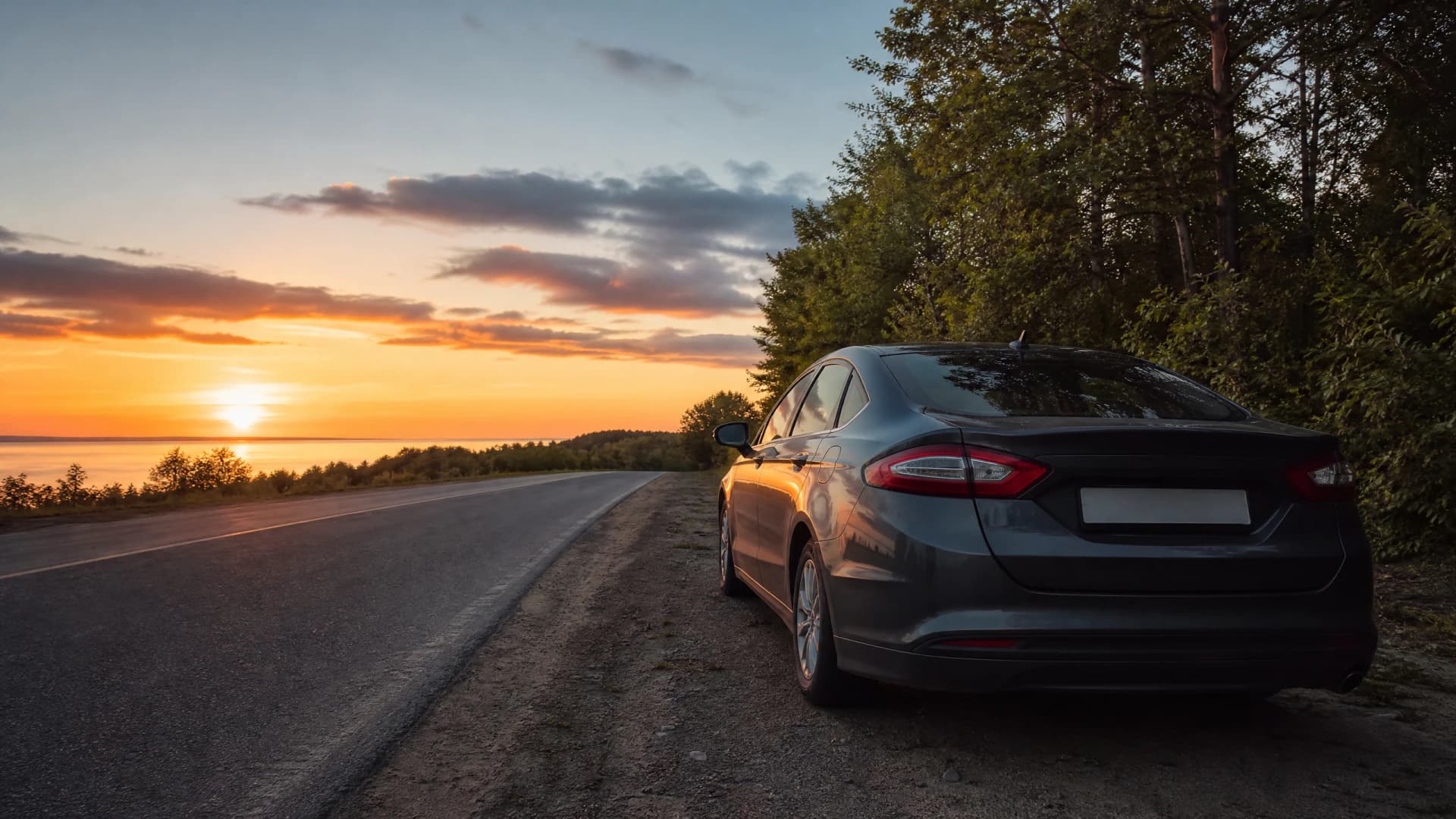
A vehicle titled to someone outside the household or on a separate policy does not count toward the multi-car discount, even if garaged at the same address.
Related Articles





When Allstate May Not Be the Best Fit for Multiple Vehicles
Allstate operates in the standard tier, which means households with recent at-fault accidents, multiple violations, or DUI convictions may not qualify or may receive a declined quote. If any driver in your household needs FR-44 filing after a DUI, Allstate files the certificate, but the premium reflects the elevated risk. Non-standard carriers often quote lower rates for high-risk households, even after accounting for the multi-car discount.
Households with vehicles split across different risk profiles — a daily-driver sedan, a classic car, and a teenager's first car — may find that bundling all three on one Allstate policy costs more than splitting them strategically. A classic car on a specialty policy and the daily drivers on a standard multi-car policy can produce a lower combined premium. Allstate does not specialize in collector vehicles; carriers that do often offer better rates and agreed-value coverage for rarely-driven cars.
If one household member has a suspended license or needs SR-22 filing for an uninsured-motorist violation, adding their vehicle to your Allstate policy re-rates the entire policy to reflect their risk. In that case, a separate non-owner SR-22 policy for the high-risk driver and a clean multi-car policy for the remaining vehicles may cost less overall. The multi-car discount is valuable, but it does not always outweigh the cost of combining high-risk and low-risk drivers on one policy.
12.9%
Virginia Uninsured Motorist Rate
Uninsured motorist coverage is mandatory in Virginia and protects you when an at-fault driver cannot pay. Allstate policies include this coverage automatically.
Insurance Information Institute, 2023

How to Get an Allstate Quote for Multiple Vehicles
Allstate offers online quotes for multi-car policies. You enter each vehicle's VIN, the primary driver for each car, and the garaging address. The system generates a quote that includes the multi-car discount automatically when you list two or more vehicles. If you already have an Allstate policy and want to add a vehicle, contact your agent or log into your account to request the addition. The carrier re-rates the policy immediately and provides the new premium before you confirm the change.
When comparing Allstate to other carriers, request quotes for the same coverage limits and deductibles across every vehicle. A lower premium with higher deductibles or lower liability limits is not a true comparison. Virginia requires $50,000/$100,000/$25,000 liability minimums and mandatory uninsured motorist coverage; many households carry higher limits to protect assets. The multi-car discount applies after the base premium is calculated, so a carrier with a lower base rate and a smaller discount can still beat a carrier with a higher base rate and a larger discount.
Compare Multi-Car Carriers in Virginia
Allstate is one of many carriers writing multi-car policies in Virginia. State Farm, GEICO, Progressive, Nationwide, and Liberty Mutual all write standard-tier multi-car coverage and offer their own discount structures. Non-standard carriers like Bristol West, Dairyland, and The General write households with violations or lapses and file SR-22 and FR-44 certificates. The best carrier for your household depends on your combined driving records, the vehicles you insure, and whether any driver needs a filing.
Request quotes from at least three carriers that write your household's risk profile. If every driver has a clean record, compare standard-tier carriers. If any driver has a DUI, recent at-fault accident, or suspended license, include non-standard carriers in your comparison. The multi-car discount is valuable, but the base rate matters more. A carrier with a 10% smaller discount and a 15% lower base rate saves you money. Compare the final premium for all vehicles combined, not the discount percentage alone.
What You Need to Combine Policies or Add a Vehicle
For each vehicle you add, Allstate needs the VIN, title or registration showing ownership, and the garaging address. If the vehicle is financed or leased, the carrier requires the lienholder's name and address to list them on the policy. When combining two existing policies, both named insureds must appear on the new policy, and every vehicle must transfer to the single policy number. Allstate will not carry a multi-car discount across two separate policy numbers, even for spouses.
Newly-purchased vehicles are covered under your existing Allstate policy for a limited grace period, typically 14 to 30 days depending on your state and policy terms. After that window, an unreported vehicle can be denied at claim time. Adding the vehicle within the grace period preserves continuous coverage and triggers the multi-car discount immediately. Missing the window means the vehicle was uninsured during the gap, which can complicate claims and violate Virginia's mandatory insurance law.
Get Your Free Quote
Get My Virginia Car Insurance QuoteFrequently Asked Questions
Does Allstate offer a discount for insuring multiple cars in Virginia?
Yes. Allstate's multi-car discount applies when you insure two or more vehicles on one policy under one named insured. The discount reduces the overall premium and typically increases when you add a third or fourth vehicle.
Can I get the Allstate multi-car discount if my spouse has their own policy?
No. The multi-car discount requires every vehicle to sit on the same policy number. Two separate Allstate policies, even for spouses at the same address, do not qualify. You must combine both policies into one to capture the discount.
Does Allstate file FR-44 certificates in Virginia?
Yes. Allstate files FR-44 certificates in Virginia for drivers who need proof of financial responsibility after a DUI or related conviction. The FR-44 requires elevated liability limits of $100,000/$200,000/$50,000 and remains on file for three years.
How long do I have to add a newly-purchased car to my Allstate policy?
Allstate typically covers a newly-purchased vehicle under your existing policy for 14 to 30 days, depending on your policy terms. You must notify Allstate and add the vehicle within that grace period to preserve continuous coverage and trigger the multi-car discount.
Will adding a high-risk driver to my Allstate multi-car policy increase my premium?
Yes. Adding any driver re-rates the entire policy to reflect the combined risk of all drivers and vehicles. A driver with a DUI, suspended license, or multiple violations increases the premium for the whole policy, not just their vehicle.
Can I insure a classic car and daily drivers on one Allstate multi-car policy?
You can, but it may not be the best option. Allstate does not specialize in collector vehicles. A specialty carrier for the classic car and an Allstate multi-car policy for daily drivers often produces a lower combined premium and better coverage for the classic.